
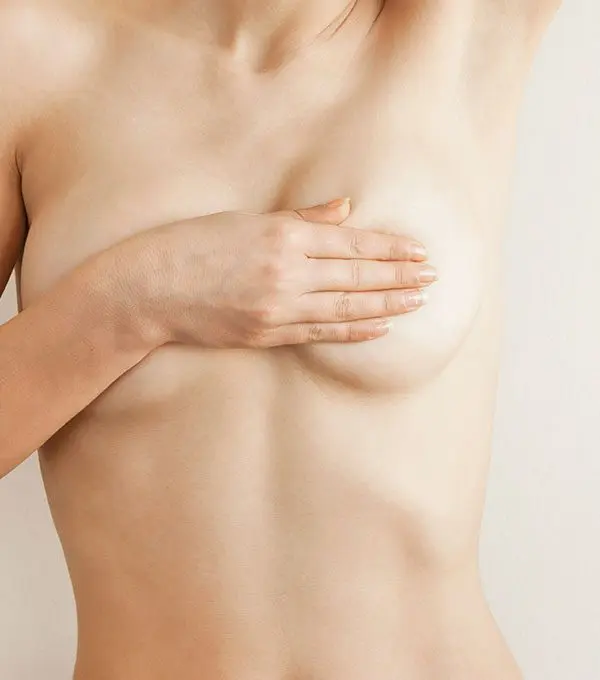
Breast reduction surgery, also known as reduction mammoplasty, removes excess fat, glandular tissue, and skin from the breasts to make them smaller, lighter, and firmer. Personally tailored procedures are available from botonics at our Harley Street clinic, in the heart of London’s private medical community.
Very large breasts can cause physical problems including back and neck pain, shoulder discomfort from bra straps, skin irritation beneath the breast, and breathing difficulties. For many women, breast reduction surgery brings significant relief from these symptoms alongside a change in appearance. The aim is to create smaller, more proportionate breasts that are better suited to your frame and lifestyle.
Breast reduction can also reduce the size of the areola where this has stretched over time. Your botonics surgeon will discuss what’s achievable for your specific anatomy during your consultation.
Breast reduction surgery may be suitable for women experiencing physical discomfort or self-consciousness as a result of disproportionately large breasts, provided they are in good general health and have realistic expectations.
The following are contraindications:
If you are unsure whether you are a suitable candidate, a consultation with one of our specialist surgeons at our Harley Street clinic is the right place to start.
Consultation and Planning
Your journey begins with a consultation with your botonics consultant plastic surgeon. They will assess your anatomy, discuss your symptoms and goals, and explain the surgical approach in detail. Your treatment plan is agreed at this stage, including the technique to be used and what results are realistic for your body. Nothing is decided without your full understanding and consent.
Preparation
Before your procedure, you will receive clear pre-operative guidance, including advice on medications, smoking, and what to expect on the day. On the day itself, the treatment areas are marked before you are given a general anaesthetic. Breast reduction at botonics is performed under general anaesthetic, so you will be unconscious throughout the procedure.
The Procedure
Your surgeon removes excess fat, glandular tissue, and skin, then reshapes the remaining breast tissue to create a smaller, firmer profile. Where appropriate, the areola may also be reduced and repositioned. The procedure typically takes two to three hours. Incisions are closed carefully to minimise scarring.
Recovery and Aftercare
Most patients stay in the clinic for one night following surgery. You will be helped into a post-operative support bra before you leave, which should be worn as advised by your surgeon. Your botonics team will arrange follow-up appointments to monitor your recovery and answer any questions.
Recovery happens in stages, and knowing what to expect can make it easier to plan ahead.
Days 1 to 3: Rest as much as possible. Any surgical drains will be monitored and managed by your care team, and pain relief will be provided to help keep you comfortable. Keep movement gentle during this period.
Days 4 to 7: Your first post-operative check will usually take place within this window. Your surgeon will assess how you are healing and change your dressings. Most patients are still resting at home at this stage.
Week 2: Most patients with desk-based roles can return to work around this point, provided their job does not involve heavy lifting or strenuous movement.
Weeks 3 to 4: Driving and light activity can usually resume once you feel comfortable with your movement and are no longer taking strong pain medication.
Week 6: Most patients can return to exercise around this stage, building activity back up gradually rather than jumping straight into high-impact workouts.
3 to 6 months: Swelling continues to subside during this period, and your breast shape gradually settles.
12 to 18 months: Scars continue to mature and fade over this longer timeframe.
Everyone heals at a different pace, so these milestones should be treated as a general guide. Your botonics surgeon will give you a recovery plan tailored to your procedure and health.
What patients say
My eventful journey to bontonics group started with a telephone call and a friendly voice came through to answer my call, this relaxed me and a prompt appointment followed. My subsequent meeting…
Patient review
Planing my summer holiday, didn't like how i looked in my new bikini, so i deceided to call the clinic. I went to see Dr Joffily, discussed the procedure, liked his approach…
Patient review
As with any surgical procedure, you should understand the risks before going ahead. Your surgeon will explain these carefully as part of the consultation and consent process.
Rated 5 out of 5 by 2 Breast Reduction Surgery patients Read all reviews
Treatment Summary
Procedure time
2 - 3 hours
Anaesthetic
General
Hospital stay
1
Sensitivity period
2 weeks
Back to work
2 weeks
Duration of results
Permanent
Risks & complications
Infection, bleeding, swelling, bruising, asymmetry.
Location
Your Specialist(s)
Next step
If you are considering breast reduction surgery, book a consultation with one of our specialist surgeons at our Harley Street clinic to discuss whether the procedure may be suitable for you. Your consultation will confirm the full cost based on our published pricing.
Book a ConsultationOr call +44 (0) 20 800 400 30
Common questions
Breast reduction may be suitable if your breast size is causing physical discomfort, such as back, neck or shoulder pain, skin irritation beneath the breast crease, or difficulty with certain activities. Candidates should generally be in good health, have realistic expectations, and be willing to follow their surgeon’s advice around smoking and recovery. Your surgeon may also discuss whether your breast size and weight are stable, along with any plans for future pregnancy.
It can. Breast reduction involves removing and rearranging glandular tissue and may affect the milk ducts and nerves to the nipple. Some women are still able to breastfeed afterwards, but this cannot be guaranteed. If breastfeeding is important to your future plans, discuss this openly with your surgeon before deciding when to have surgery.
Breast reduction leaves permanent scars. These are typically positioned around the areola, vertically down to the breast crease, and sometimes along the crease itself, depending on the technique used and the amount of reduction required. Scars are usually red or pink at first and gradually become paler and flatter over time. Your surgeon will explain the likely scar pattern for your individual procedure during your consultation.
Most patients take around two weeks off work, although this depends on how physical the job is. Swelling and bruising settle gradually over the following weeks, and you will usually need to wear a supportive surgical bra during recovery. Strenuous exercise and heavy lifting should be avoided for several weeks. The breasts and scars can continue settling for up to 18 months, although normal daily activities generally resume much sooner.
Sign up to our Newsletter receive regular updates

Explore Treatments
© botonics Plastic Surgery Group 2005 - 2026. All Rights Reserved.
Accreditations


