
Where there’s a genuine pocket of fat beneath the chin, liposuction removes it through a tiny incision using a fine cannula, a procedure known as submental liposuction. Done well, it can sharpen the angle between chin and neck and give the jawline real definition.
This guide covers what the procedure actually involves, recovery, the risks worth knowing about, typical UK costs, and how to work out whether fat is really what’s driving the shape you want to change.
Key takeaways
- Chin-only liposuction is usually carried out under local anaesthetic as a day case.
- UK costs typically run £2,000 to £4,500 depending on the clinic and whether the neck is included. These are general market figures, not botonics prices.
- Removed fat cells do not grow back, but remaining cells can still enlarge with significant weight gain.
- Expect a few days off work, a compression garment for one to two weeks, and the final shape to settle over three to six months.
- This is normally a private procedure in the UK; NHS funding is only available by exception.
What is chin liposuction and how does it work?
A surgeon typically removes around 30 to 50ml of fat from beneath the chin, a couple of tablespoons that can make a clear difference to the side profile. This isn’t a weight-loss procedure; it treats a localised fat pocket rather than overall body weight, and removed cells are not replaced. You may also hear it called submental liposuction, double chin surgery or facial liposuction, often treating the chin, jowls and upper neck together so the result blends naturally.
Liposuction only treats fat. If fullness comes from loose skin, platysma bands (the vertical neck cords), or a set-back jawbone, removing fat won’t correct it, and can simply expose the underlying problem.
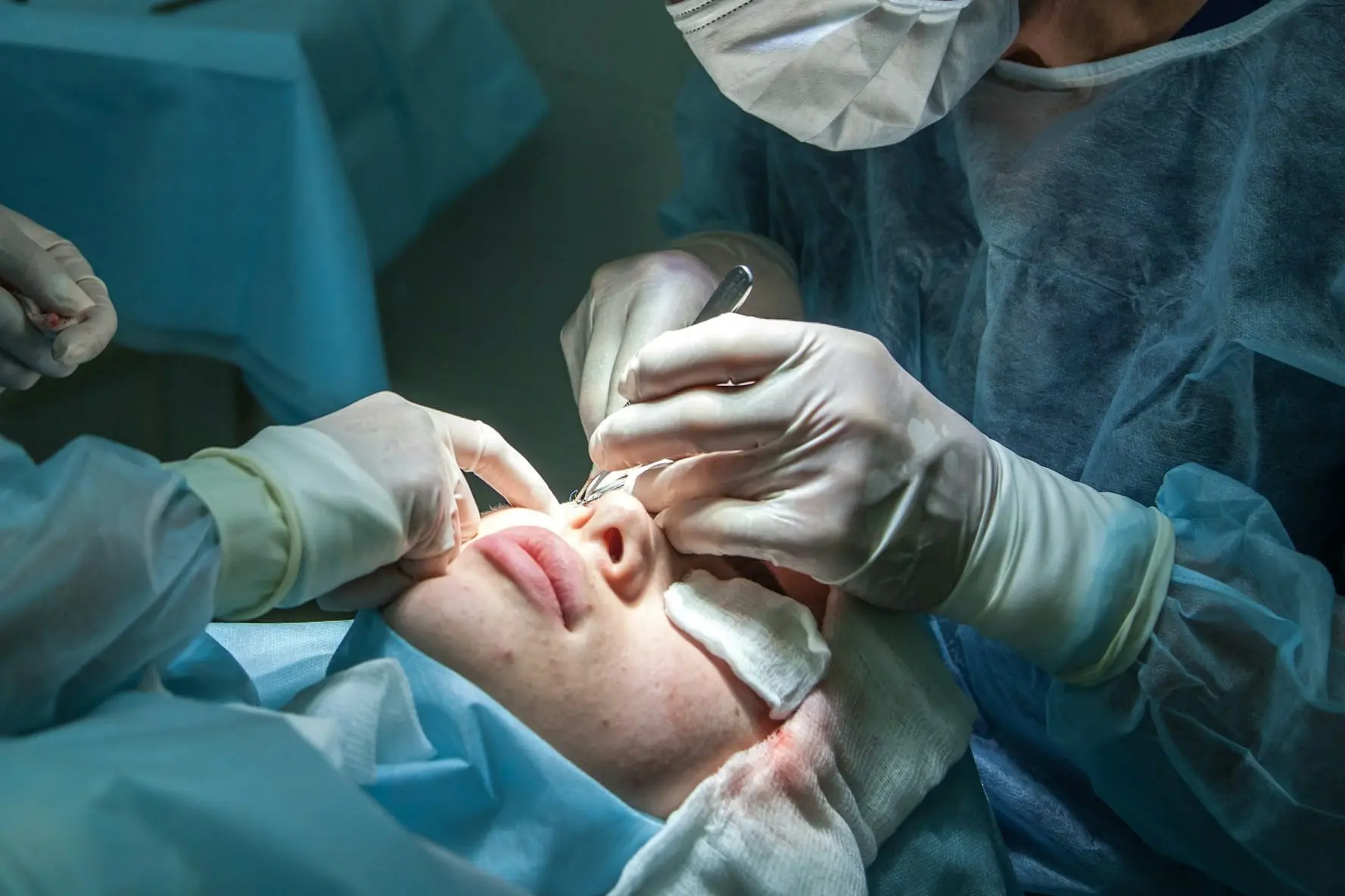
The procedure is normally done under local anaesthetic as a day case: the surgeon makes a small incision beneath the chin, often in the natural crease, and passes a fine cannula through it. With VASER liposuction, ultrasound energy loosens the fat first; with manual liposuction, the cannula breaks it up directly. The fat is suctioned out, the area blended into surrounding tissue, and the incision closed with one or two sutures. General anaesthetic is more likely only when combined with a larger operation such as a facelift.
Results and how long they last
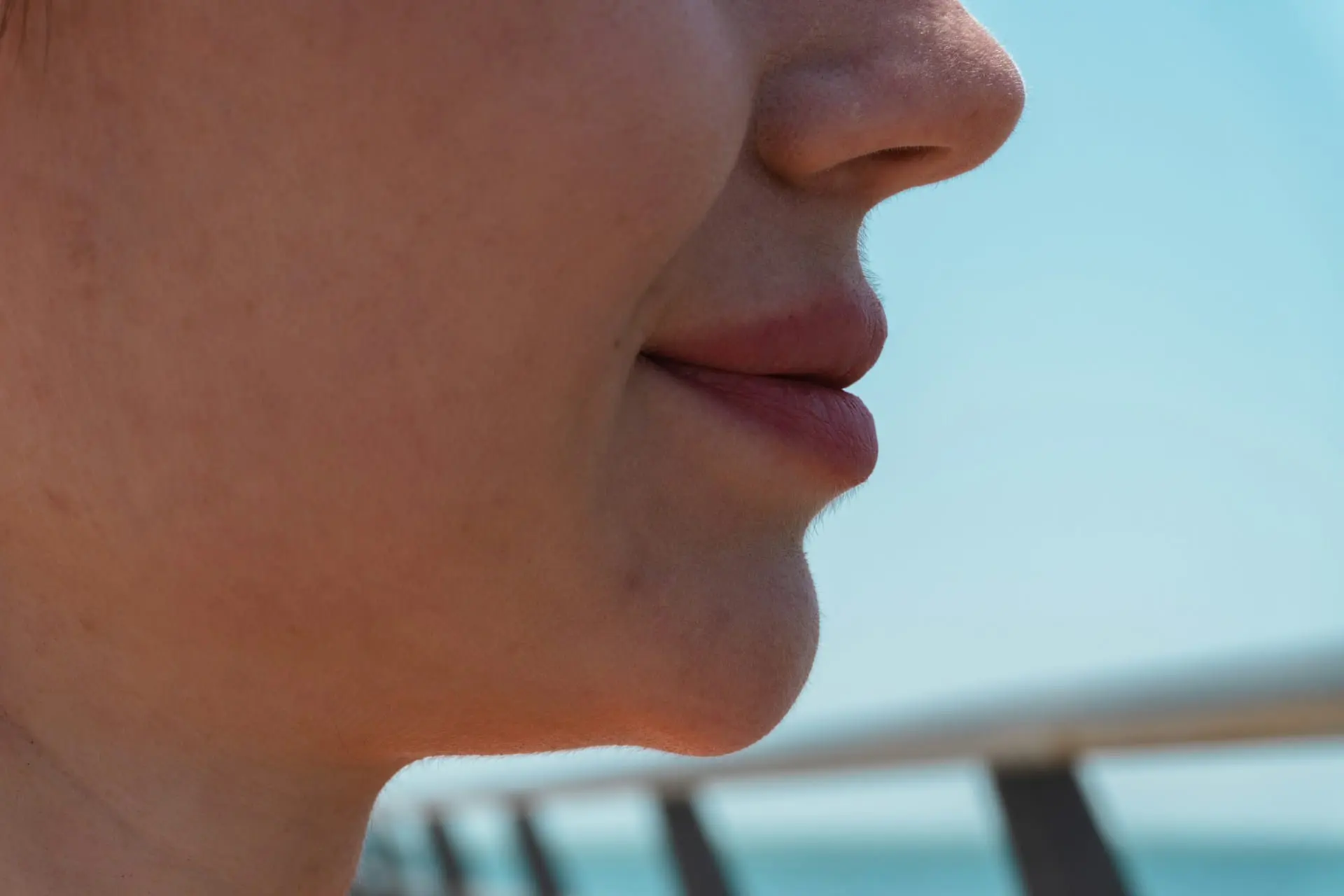
The main change is to the angle between chin and neck, most visible from the side. How much difference you see depends on how much fat was there and how well your skin contracts around the new contour: good elasticity redrapes neatly, while skin that has already lost tone can settle less well, which is why we assess skin quality alongside fat volume at consultation. If your skin is borderline, combining liposuction with skin tightening, a neck lift instead, or not operating may be better options.
Removed fat cells don’t return, so the result is permanent in that sense, but remaining cells can still enlarge with significant weight gain, so keeping weight stable protects the result. Swelling hides the new contour initially, with a clear improvement visible at two to four weeks and the finished contour settling between three and six months.
Recovery: what to expect
- Day of surgery: Go home the same day; arrange a lift even though it’s local anaesthetic.
- First few days: Tightness, bruising and slight numbness are expected. Follow your surgeon’s pain relief guidance, as NSAIDs are often restricted due to bleeding risk. Sleep propped up and on your back to reduce swelling.
- Work: Two to three days off for desk-based roles; up to a week if your job is public-facing, as jawline bruising can remain visible.
- Compression garment: Worn continuously for one to two weeks, then often night-time only for a further two to four weeks.
- Sutures: Removed at around one week.
- Exercise: Walking is fine straightaway; strenuous exercise should wait around four weeks.
Your surgeon’s specific instructions take priority, since the schedule depends on what was treated.
Risks, side effects and complications
Bruising, swelling, tenderness and numbness are expected and settle over the following weeks as sensory nerves recover. Firm or lumpy areas beneath the skin during early healing are normal scar tissue that softens with time. Serious complications are uncommon: a haematoma (blood collection) can develop within 48 hours and may need draining, and increasing redness, heat, pain after day three, pus or fever should prompt same-day contact with your surgeon.
Nerve injury is a particular consideration around the jawline. The marginal mandibular nerve controls muscles that pull the lower lip down; if damaged, your smile can become uneven, usually temporarily, though permanent weakness is possible. This is why experience with facial surgery specifically matters.
Incisions are only a few millimetres and normally fade to be difficult to see. The main cosmetic risks are contour irregularity and asymmetry, and removing too much fat can leave the area looking hollow, which is harder to correct than leaving a little fullness behind, so some surgeons take a deliberately conservative approach.
Is chin liposuction right for you?
Four quick checks in the mirror can help before consultation:
- Pinch test: a soft roll you can hold is fat; thin tissue gathering into folds is more likely loose skin.
- Tilt test: fullness that stays in place when you tilt your head back points to fat; fullness that flattens suggests skin laxity.
- Clench test: two vertical cords appearing when you clench your jaw are platysma bands, which liposuction doesn’t remove.
- Profile check: if your chin sits well behind a vertical line from your lower lip, the jawbone may be driving the shape more than fat.
These don’t replace an examination, but explain why two people with the same complaint can need different treatments. Skin quality matters more than most patients expect, since lax skin may not shrink neatly around a smaller shape. You should be in reasonable general health, with smoking typically stopped for four weeks before and after surgery.
On weight loss: it reduces fat throughout the body, but you can’t control where it comes off first, and fat beneath the chin is often stubborn regardless. Liposuction targets one area directly. If you’re actively losing weight, wait until it’s stable for a few months before booking surgery.
Cost and how to pay
This is a private procedure in the UK; NHS funding is only considered by exception. Across the market, expect roughly £2,000 to £3,000 for chin liposuction alone, rising towards £4,500 with the jawline or neck included. These are general market figures, not botonics prices, and Harley Street clinics generally sit towards the upper end.
A quoted price should cover the surgeon’s fee, anaesthetic, procedure room, garment and follow-up reviews, so confirm exactly what’s included before paying a deposit. Combined procedures are normally quoted separately. Many clinics offer finance, typically 0% or low-interest plans over 12 to 48 months.
Independent clinics offering surgery in England must be registered with the Care Quality Commission, and you can check a provider’s inspection rating on the CQC website.
Making the decision
Chin liposuction works when fat is the problem. It won’t tighten loose skin, remove platysma bands, or bring a set-back chin forward, and permanence depends on keeping your weight stable while the final look depends on how well your skin redrapes. Choosing a surgeon who regularly works on faces and understands jawline anatomy matters for safety as much as for the result.
Before booking, check your surgeon is registered with the GMC and specifically experienced in facial liposuction, since general cosmetic surgery experience doesn’t guarantee expertise in this particular area. It’s also worth checking the RCS England Cosmetic Surgery Certification Scheme, where applicable.
At botonics, we’d rather work out whether the fullness is coming from fat, skin, muscle or bone before discussing an operation. Go into your consultation with questions:
- What is actually creating the fullness in my case?
- Can I see before-and-after photographs of patients who started from somewhere similar to me?
- What happens if the result needs revising, and what would that cost?
- What would make you tell me not to have chin liposuction?
That last question is often the most useful. A good consultation should leave you clear about whether the fullness comes from fat, whether your skin can support the result, and whether chin liposuction is actually right for you. If it sounds like the right fit, you can book a consultation to find out for certain.