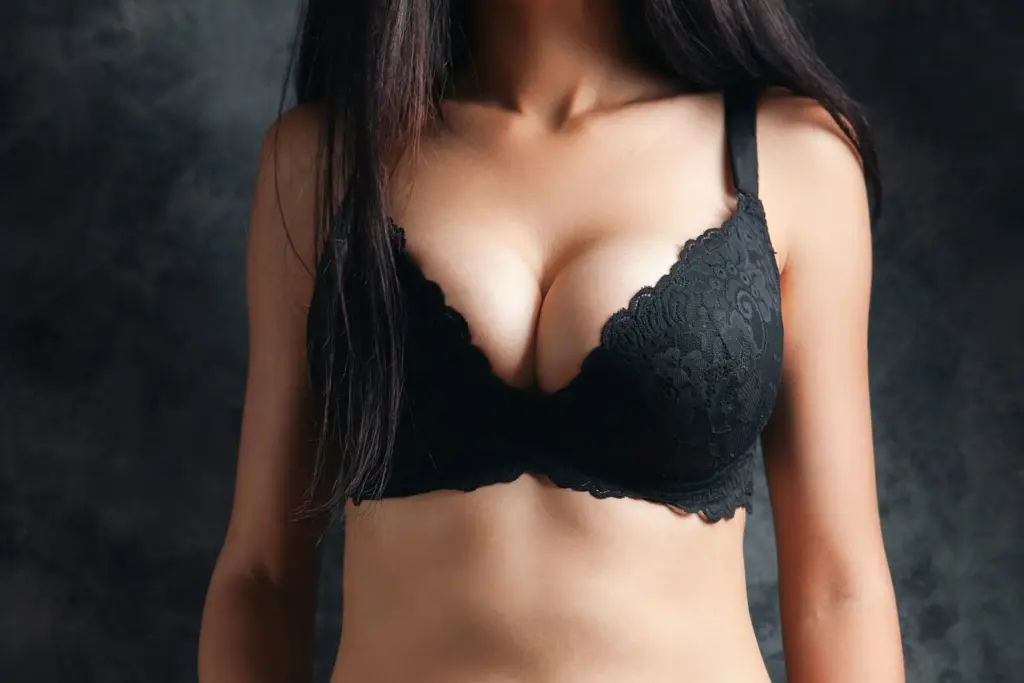
Fat that survives the first three to six months after a breast fat transfer stays for life. It becomes a permanent part of the breast, but because it behaves like the body’s own tissue, it still grows and shrinks with meaningful changes in your weight.
Survival percentages vary widely between studies, so they are a poor guide to what your own breasts will look like. The timeline is more useful.
How Fat Transfer to the Breast Works
During fat transfer, the surgeon takes fat from your abdomen, thighs or flanks by liposuction, then injects it into the breast in fine layers. You may see it called lipomodelling or lipofilling. At botonics, the fat is harvested using Vaser liposuction, which uses ultrasound to loosen fat cells with very little trauma, leaving them in better condition for transfer. A proportion of that fat establishes a blood supply and survives; the remainder is reabsorbed by the body.
Survival Rates and Timeline
Published estimates of how much transferred fat survives long-term range from under half to well over two-thirds. Those gaps reflect differences in technique, injection method and how and when survival was measured, so no single percentage will predict an individual result.
The timeline is a steadier guide. Volume looks highest straight after surgery because of swelling, falls back over the following weeks, then levels out. Once that initial resorption window closes, what you see in the mirror is roughly what you keep.
What Happens After the First Few Months
Past that early window, the remaining fat is simply your own body fat sitting in a new place. It gains and loses volume with the rest of your body fat, so a diet, a new training routine or a significant change in weight will show in the breast the same way it would on your hips or waist.
Ageing and hormonal change also play a part, exactly as they do in any breast tissue.
Is Breast Fat Transfer Permanent?
Yes, in the sense that matters most. Fat that survives the first few months becomes a permanent part of the breast. What it does not do is stay frozen in time: it is subject to the same changes as the rest of your body.
That is the key difference between a fat graft and a filler. Surviving fat is not a product sitting in the breast waiting to break down. It is your own tissue, with its own blood supply, integrated into the breast.
Volume changes years after fat transfer are usually explained by weight change, not by the graft itself fading. Permanent, but not unchangeable, is the fairest description.
Fat Transfer vs Breast Implants: Which Lasts Longer?
Implants and fat transfer change over time in different ways. An implant has a finite device lifespan; a fat graft is limited by how much tissue survives.
Implants are not lifetime devices, and most women will need further surgery at some point to replace or remove them, usually because of the device itself: rupture, capsular contracture, rippling or a change in position. Fat transfer carries none of those risks because nothing is inserted, so there is no built-in replacement date.
The trade-off is volume. A breast enlargement with implants provides its full size immediately, whereas a fat graft is limited by how much survives each session, so the increase is smaller and develops over several months.
Side Effects and Risks
The main downsides are a limited size increase per session, fat survival you cannot predict in advance, and the chance of lumps, firm areas or small cysts where fat does not fully take.
In the First Year
Most early discomfort comes from the liposuction donor site rather than the breast. Bruising, swelling, tenderness and some numbness are common there, and usually settle over a few weeks.
At the breast itself, you may feel firm areas, small oil cysts or patches of fat necrosis where tissue did not survive. These are often small and settle, though some stay palpable.
Infection is the main serious risk, and very rarely fat can enter the bloodstream. Smokers and very lean patients with little donor fat are generally poor candidates.
Fat transfer also does not lift the breast. Patients with significant sagging may need a breast uplift separately or alongside the graft.
Longer Term
By year two the breast has long since settled, and new problems are uncommon. What can persist is lumpiness. Any new lump in a fat-grafted breast should be checked by a doctor, because fat necrosis and oil cysts can feel similar to other breast lumps. That is a precaution to rule other causes out, not a sign that fat transfer itself causes disease.
Tell the radiographer about your surgery when you attend breast screening. Grafted areas can show calcification on a mammogram, and knowing the history helps them read the images.
Recovery and What to Expect
Recovery is generally quicker than implant surgery. Here is what to expect in the weeks and months after treatment:
- Back to work: most patients having fat transfer with us are back at desk-based work within about a week
- Exercise: strenuous exercise waits several weeks, mainly to let the donor site settle and to protect the new graft
- Bruising: expected, particularly at the liposuction sites, and a compression garment is usually recommended to support healing and contour
- Swelling: the breasts look fuller straight away, but swelling at both the donor site and the breast obscures the true result, which is usually much clearer between three and six months after surgery
- Look and feel: because the added tissue is your own fat, breasts usually feel soft and move naturally
- Scarring: small, limited to the liposuction access points and injection sites
Maintaining Your Results
Graft survival is largely determined in the first few weeks after surgery, so aftercare directly affects the result:
- Wear the compression garment at the donor site for as long as you are told
- Avoid pressure on the breasts, so no sleeping face down and no tight underwiring early on, unless your surgeon says otherwise
- Follow the guidance on activity
- Avoid smoking, which works against graft survival
After that, weight stability is the main factor. Significant weight loss reduces transferred fat along with fat everywhere else, so a stone lost will usually show in the breast. Weight gain can add volume, but often unevenly. If you are planning a serious diet or know your weight is in flux, it is better to settle first and operate afterwards.
Repeat Sessions and Revision
Many patients have their fat transfer completed in a single procedure. Whether one session is enough depends on how much donor fat you have, how much survives and the size you are hoping for, and this is discussed at consultation. Where more volume is wanted, further sessions are spaced to let the breast settle between rounds, and injecting a realistic volume each time gives the fat a better chance than one oversized round.
After the first year, repeat surgery is usually about adding volume rather than correcting a problem, either to go further or because weight loss has reduced the result. There is no fixed point at which it becomes necessary.
A repeat session needs enough donor fat to harvest again, which can limit the option for very lean patients or those whose abdomen, thighs and flanks have already been treated.
The Bottom Line
Fat transfer to the breast produces a permanent result, though not an unchanging one. Once the first few months have passed, volume is determined mainly by changes in your body weight.
If you are weighing up fat transfer against implants, or wondering whether you have enough donor fat for the size you want, the best next step is a proper assessment.
At botonics, consultations are free, without obligation and always with an experienced specialist, who can assess your donor areas, talk through a realistic increase in volume and help you plan how many sessions you might need.
Book your free consultation to find out more.