Why Alcohol Is Best Avoided During Roaccutane Treatment
Isotretinoin is a powerful retinoid that’s metabolised mainly in the liver. Alcohol is processed there too. During Roaccutane treatment, your prescriber is already watching how your liver and blood fats are responding, so alcohol makes the picture less clear.
That doesn’t mean one mistake automatically causes lasting harm. It does mean alcohol adds avoidable pressure at the exact time your treatment needs clean, reliable monitoring.
Key concerns include:
- Elevated liver enzymes: Isotretinoin can raise ALT and AST levels, which are markers of liver stress. Alcohol can raise the same markers. If they go up, it may be harder to tell whether the change is due to the medication, alcohol, or both.
- Compounded effects on lipids: Isotretinoin raises triglycerides in around one in four patients. Alcohol can increase blood fats further, which may affect whether your dose can safely continue.
The British Association of Dermatologists advises avoiding alcohol during Isotretinoin treatment. This guidance applies to Roaccutane and all generic forms of the medication.
Roaccutane, Liver Function Tests and Alcohol
You’ll have liver function tests (LFTs) before starting treatment to establish a baseline, followed by regular monitoring every four to eight weeks. These tests track ALT and AST, enzymes that can rise when the liver is under stress.
Alcohol can raise these markers on its own. If your results are affected, your doctor may need to repeat tests, reduce your dose, or pause treatment while things settle. That can slow your progress towards the cumulative dose associated with longer-term improvement.
This is why the timing matters. If you drink shortly before a blood test, the results may not give a fair picture of how your body is responding to isotretinoin itself.
Practical advice: avoid alcohol for at least 48 hours before any scheduled blood test. It helps reduce the chance of confusing the results. Avoiding alcohol throughout the full course is still the safest approach.
Triglycerides, Pancreatitis Risk and Alcohol
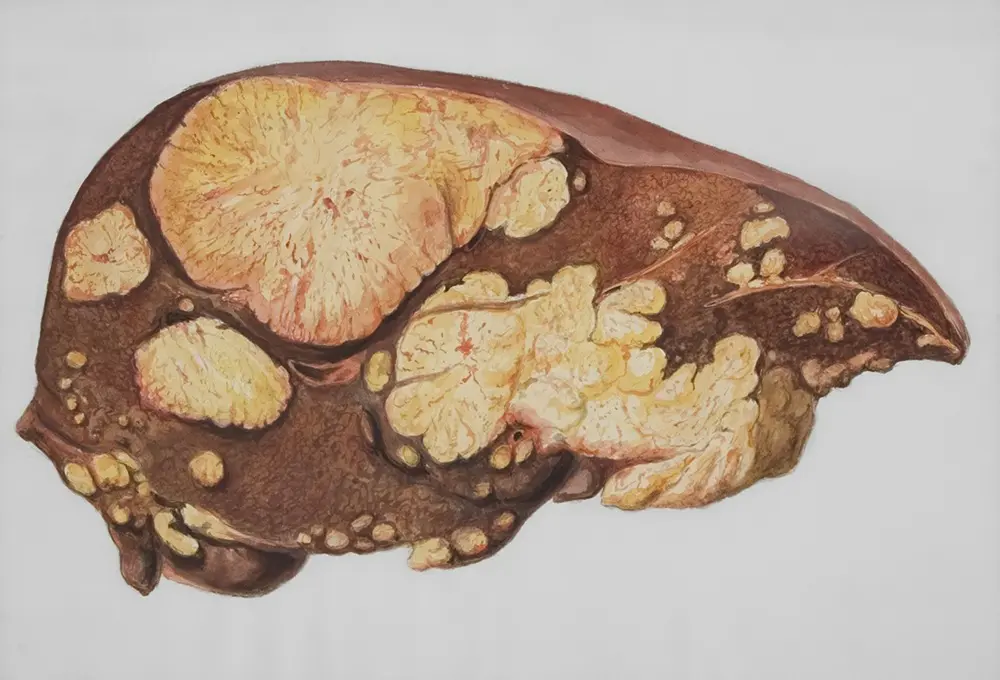
Elevated triglycerides are a recognised effect of Isotretinoin for some patients. For most, the increase is mild and managed through monitoring. However, alcohol can push levels higher.
Triglycerides are fats in the blood. Very high levels, typically above 11 mmol/L, are associated with an increased risk of acute pancreatitis, a serious inflammation of the pancreas that may need hospital treatment. This is why lipid panels form part of your regular blood monitoring.
Results outside the normal range can prompt dose changes, extra monitoring, or a treatment pause. That’s frustrating, especially if your skin is improving and you want to keep the course moving.
Combining Isotretinoin with alcohol and a high-fat meal can push triglycerides in the wrong direction. Not ideal, and usually avoidable.
What Can Happen If You Drink on Roaccutane
The main areas affected are usually:
Amplified dehydration
Both Roaccutane and alcohol are dehydrating. Together they can make common side effects harder to manage, including dry skin, cracked lips, nosebleeds, joint or muscle discomfort, and fatigue.
This is not just about feeling a bit dry the next morning. Isotretinoin already dries the lips, skin, eyes and nasal passages. Alcohol can make those effects feel sharper and harder to settle.
Impact on blood results
Raised liver enzymes or triglycerides may appear on your next tests. That can mean repeat blood tests, dose changes, or a pause in treatment until your prescriber is happy it’s safe to continue.
The awkward part is that one set of poor results can create uncertainty. Your prescriber has to work out whether the issue is the medication, alcohol, another factor, or a combination.
Mood considerations
Isotretinoin treatment includes careful mental health monitoring. Alcohol is a central nervous system depressant and can deepen low mood or anxiety. If you’ve noticed any mood changes, it’s especially important to avoid alcohol.
The type of drink matters less than the total alcohol content. Beer, wine, and spirits all carry the same core risk because it’s the ethanol that counts. A single heavy session places more acute stress on the liver than the same amount spread out over time.
Can You Have Just One Drink?
There’s no published evidence that establishes a completely safe lower limit. Some dermatologists may permit a single standard drink on rare occasions for patients with consistently normal blood results, but this is always an individual clinical decision.
Your baseline liver health, current blood tests, dose, and medical history matter more than any general rule. If your results are stable and normal, discuss it openly with your prescriber. If any markers are borderline or rising, alcohol is best avoided completely.
Lower doses still require the same level of monitoring. Low-dose Isotretinoin can still affect liver markers and triglycerides in some patients, so the risk doesn’t disappear just because the dose is lower.
This is why “just one drink” is not really the right question. The better question is whether your current blood results and treatment plan make alcohol a sensible risk. For many patients, the answer is still no.
Should You Pause or Stop Roaccutane Early to Drink?
No. The long-term benefit of Roaccutane depends on reaching your target cumulative dose. Pausing or stopping early to drink increases the risk of acne returning, which may mean needing another full course.
That’s a poor trade-off: one night of drinking against a higher chance of relapse, more appointments, more blood tests, and a longer period before your acne treatment is finished.
Dermatologists generally advise against casual mid-course pauses because consistent treatment gives you the best chance of a good long-term result. If you’re struggling with the restrictions, speak to your prescriber rather than stopping on your own.
Handling Social Situations
Many patients worry about social pressure. Simple, practical approaches that work well include:
- Letting friends know you’re on a short course of medication that doesn’t mix with alcohol. You don’t need to share anything more than that.
- Holding a non-alcoholic drink, such as tonic water with lime, so people are less likely to offer you rounds.
- Framing it as a temporary health choice.
A simple explanation is usually enough. And if you’d rather not tell people you’re taking Roaccutane, you don’t have to.
How Long After Finishing Roaccutane Can You Drink?
Wait at least four weeks after your final dose. It’s best to have a follow-up blood test confirming that your liver enzymes and triglycerides have returned to normal before drinking again.
Although Isotretinoin clears from the body relatively quickly, its effects on blood markers can take longer to settle. The parent compound has a half-life of roughly 10 to 20 hours, but active metabolites and lipid effects can persist for several weeks after your last dose.
Two weeks is too soon for most patients. Metabolic normalisation often takes four weeks or more. Most dermatologists use one month as the minimum, but a blood-test-confirmed clearance is more reliable than a fixed date on the calendar.
If your levels were elevated during treatment, you may need to wait longer. Your prescriber can advise based on your results.
What Dermatologists Recommend
Official guidance from the British Association of Dermatologists is to avoid alcohol during treatment. In practice, experienced prescribers make case-by-case decisions based on your blood test history, dose, side effects, and individual circumstances.
Tell your prescriber if you’ve had alcohol. It helps them understand your blood results and decide whether anything needs changing. Holding that information back can lead to unnecessary dose changes, repeat tests, or an early pause in your course.
The MHRA and the Commission on Human Medicines have reviewed isotretinoin’s safety profile, and that safety work informs prescribing guidance in UK practice.
Frequently Asked Questions
What else should you avoid while on Roaccutane?
Avoid waxing and laser hair removal while on treatment, as your skin is more fragile and may tear, graze, or react more strongly than usual. Don’t take vitamin A supplements, as this can increase the risk of retinoid toxicity. Tetracycline antibiotics are contraindicated because of the risk of raised intracranial pressure. You can’t donate blood during or for a period after treatment, and you should use high-factor sun protection as your skin may be more sensitive to UV exposure.
Does Roaccutane interact with other medications?
Yes. Isotretinoin can interact with tetracycline-class antibiotics, vitamin A supplements, and some cholesterol-lowering drugs. Alcohol can add to the liver load of other medications that are also processed there.
Always give your prescriber a full list of medications, over-the-counter treatments, and supplements. It’s much easier to keep treatment safe when they know what else your body is dealing with.
Can Roaccutane affect mood, and does alcohol make this worse?
Mood changes can occur with isotretinoin and are carefully monitored. Alcohol can affect mood on its own, so the combination is best avoided.
If you have a history of depression or notice any mood changes during treatment, discuss this promptly with your doctor. You’re not making a fuss. It’s part of safe treatment.
Ready to Start Your Roaccutane Journey?
If you’re considering Roaccutane for persistent acne, Botonics can assess your skin, discuss whether isotretinoin is suitable, and walk you through the monitoring and support involved at every stage.