Acne Treatments
What Not to Use on Your Skin While Taking Roaccutane
Roaccutane (also known as isotretinoin) is one of the best treatments for severe acne, although it comes with several potential side effects. It works by significantly reducing the amount of oil your skin produces, ultimately leading to fewer clogged pores and fewer acne-causing bacteria. However, that same process will also leave your skin far more sensitive than usual.
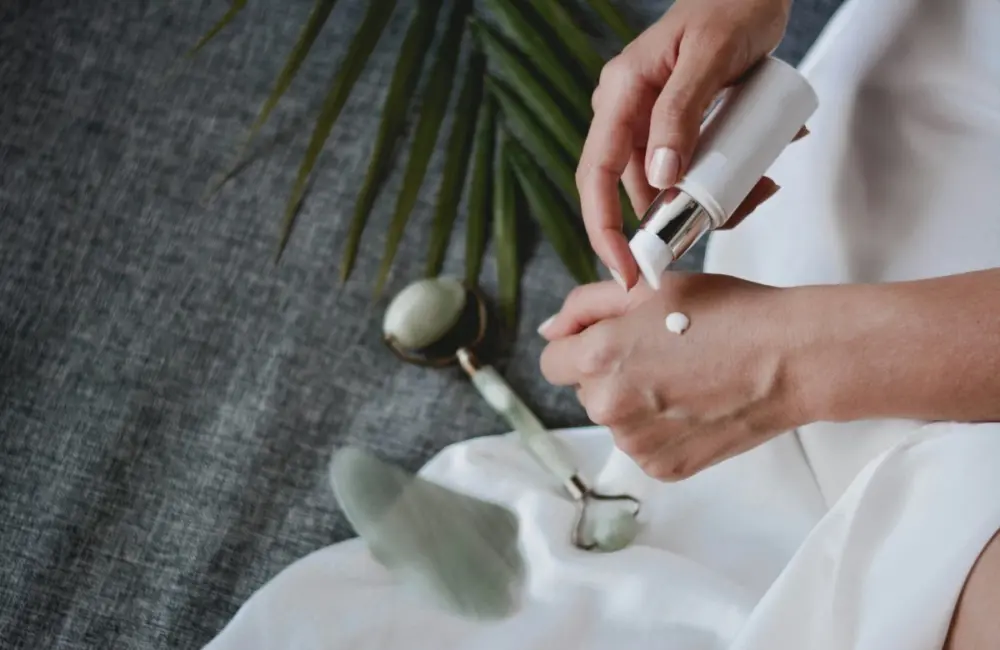
While you’re on Roaccutane, your skin may react differently. Products previously tolerated may now cause stinging, irritation, or pronounced redness and peeling. And the wrong approach can not only exacerbate those side effects but also slow healing and make the whole experience more difficult than it needs to be.
This guide covers which products to avoid when taking Roaccutane and why avoiding certain ingredients is essential. We will guide you towards safer, supportive alternatives as well, helping you protect your skin and manage any potential discomfort throughout treatment.
Why Skincare Must Change During Roaccutane
Roaccutane works deeply within the skin and causes sebaceous glands to shrink, reducing oil production. While this helps clear acne, oil (sebum) is a key part of your skin’s natural protective barrier. Less oil can make the skin drier, thinner, and more sensitive.
Most people experience some mild dryness, sensitivity, or peeling. Lips can crack easily, skin may feel tight after cleansing, and occasional redness or tingling is common. These effects are usually temporary and can be managed with the right routine.
Consequently, the skin can no longer tolerate the “active” ingredients or aggressive routines used prior to treatment. Any product that exfoliates, dries out spots, or controls oil can irritate sensitive skin. Even products marketed as gentle can become problematic when your barrier is compromised.
Skin care on Roaccutane is no longer about acne treatment in that sense; the drug is already doing that itself. Instead, the purpose is to support the skin, defend the barrier, and minimise unnecessary irritation. Knowing what to use is just as important as knowing what to avoid.
Ingredients to Avoid While on Roaccutane
Below are the key ingredients to avoid when on Roaccutane, and why they can cause problems.
Retinoids (Retinol, Tretinoin, Adapalene)
Roaccutane is an oral retinoid that targets the sebaceous glands. Using additional topical retinoids, such as retinol, tretinoin, or adapalene, can be excessive and may lead to increased dryness, burning, and peeling.
Even people using low-strength or “beginner” retinol products should stop. Your skin doesn’t require more stimulation; it needs calming and protecting.
Exfoliating Acids (AHA, BHA, Glycolic Acid, Salicylic Acid)
Chemical exfoliators are typically suitable for acne-prone skin; however, while on Roaccutane, they can be highly irritating. Acids accelerate skin cell turnover, improving the skin’s ability to shed dead cells, which can exacerbate peeling and sensitivity.
Salicylic acid, for one, is naturally drying. It’s suitable for oily skin, but when used with isotretinoin, it often causes stinging and redness.
Physical Exfoliants
Avoid scrubs, brushes, exfoliating mitts, and textured pads. Physical exfoliation may cause microtears in already delicate skin and exacerbate inflammation. When your skin is flaky, you may be tempted to scrub it off, but that can backfire and irritate the skin.
Alcohol-Based Toners and Astringents
High-alcohol-content products are very drying. Toners marketed as “tightening pores” can further strip the skin, causing cracking, redness, and discomfort.
Your skin during Roaccutane doesn’t require sebum regulation; it needs hydration and balance.
Fragrance
Fragrance (including perfume and essential fragrance components) can be irritating to even those who typically tolerate it without issue. When the skin barrier is compromised, scented products are more likely to cause redness or stinging.
Essential Oils
Although essential oils are often considered gentle or natural, many are sensitising. Tea tree, citrus, peppermint, or lavender oils may irritate when used with Roaccutane. Even small amounts can irritate impaired skin.
Product Types to Avoid
There are specific categories of skincare products that all too often cause problems while taking Roaccutane, irrespective of the formula.
Harsh foaming cleansers are widely known to strip the skin and should be avoided. These strip the skin, which often feels rubbery and squeaky after washing, indicating that too much of its natural oils have been removed.
Clay and pore-purifying masks should also be excluded. These products can absorb oil and remove impurities from pores, similar to the work Roaccutane does on the inside. While typically suitable for oily skin, these often cause feelings of over-tightness and irritation during isotretinoin treatment.
Anti-acne spot treatments must also be discontinued. Many include drying agents or acids that sting and delay healing.
It’s those elaborate, multi-step routines with numerous active ingredients that are more likely to irritate your skin. At the same time, mattifying or oil-controlling products work against what your skin needs during treatment.
Lastly, any skincare marketed around “purging,” detoxing, or deep cleaning should be avoided. Roaccutane skin needs stability, not stress.
The Role of Simplified, Supportive Skincare
One of the most valuable changes during Roaccutane is to strip things back. Fewer products, fewer ingredients and lighter formulas tend to be better.
Hydrating skincare is about supporting the skin, bolstering its barrier, preventing water loss, and defending it against external irritants. This involves selecting non-foaming, hydrating cleansers and moisturisers containing barrier-supporting ingredients, such as ceramides and glycerin.
Some gentle cleansers are available in the UK at Boots and Superdrug, such as plain cream/lotion cleansers suitable for sensitive skin. They clean without stripping and prevent your skin from feeling tight after washing.
Moisturising becomes non-negotiable. Seek out a fragrance-free cream, not a gel, as creams can provide better protection for dry skin. Apply moisturiser while the skin is still slightly damp to lock in moisture.
Daily SPF is also essential. Roaccutane can make you more sensitive to sunlight; your skin may be more susceptible to sunburn. Zinc oxide- or titanium dioxide-based sunscreens are often better suited for sensitive skin than chemical formulas.
An actual treatment routine could include the following:
- Morning:
Gentle cleanse → moisturiser → mineral SPF
- Evening:
Gentle cleanse → moisturiser
That’s it. No exfoliation, no actives, no extras unless advised by a professional.
When to Ask a Professional
If you’re not sure whether a product is right for you or if your skin is reacting to something in a way that makes you anxious, it’s always better to consult an expert rather than simply speculate. Not all irritation is created equal, and self-diagnosing can be counterproductive.
If you want to make changes, a professional dermatologist or medical skin clinic can help you adapt your routine safely and advise whether your symptoms are typical or require intervention. This is particularly essential when dryness, cracking, or inflammation becomes excessive.
At Botonics, we support patients pre-, during, and post-Roaccutane treatment. Our staff can advise you on skincare modifications, product selection, and how to reintroduce actives safely post-treatment. We offer a level of dedicated support and continuity of care that is typically unavailable from general skincare blogs.
Maintaining Healthy Skin While on Treatment
Roaccutane alters your skin’s tolerance, often with pronounced sensitivity. Ingredients and products that once treated acne can now cause irritation, dryness, and pain. Knowing what not to put on your skin while you’re on Roaccutane is a key part of maintaining your progress.
By avoiding irritants, streamlining your routine, and supporting the barrier, the skin’s barrier integrity is maintained, minimising adverse effects. If you want personalised support that takes your skin’s appearance and treatment plan into account, you can book a consultation with our team at Botonics to receive expert advice on every step of your Roaccutane journey.