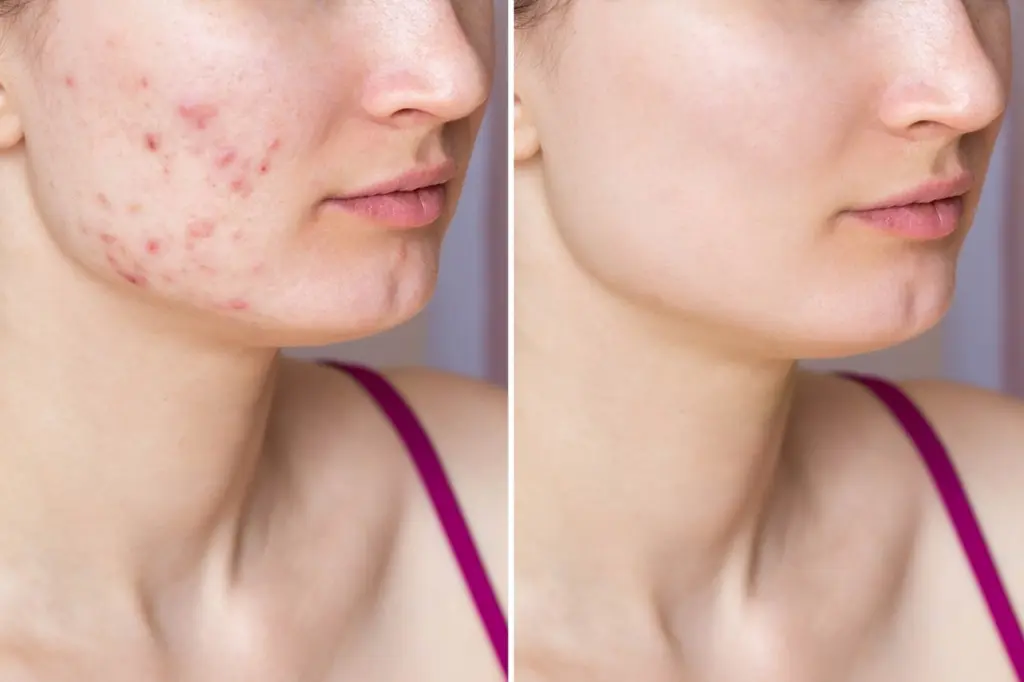
Roaccutane, also known as isotretinoin or Accutane, is an effective treatment often prescribed for severe acne that has not responded to other options. It targets several of the underlying factors involved in acne, including excess oil production, blocked pores and inflammation.
It is one of the most effective treatments available for severe acne, but it is important to understand the possible side effects, how treatment works and who may be suitable before considering it.
This guide provides essential information about Roaccutane for acne, from how it works to its benefits, risks and what to expect before and during treatment.
Understanding Roaccutane (Isotretonin)
Roaccutane (isotretinoin) is a powerful oral medication used to treat severe acne, particularly cystic or nodular acne that has not responded to other treatments. It is a synthetic form of vitamin A and acts on several of the processes involved in acne formation.
By decreasing the amount of sebum, or oil, produced by the skin, Roaccutane helps prevent blocked pores, one of the main contributors to acne. It also has anti-inflammatory effects and reduces the size and activity of the sebaceous glands.
Roaccutane also helps normalise the way skin cells are shed within the hair follicles. This reduces the build-up of cells that can block pores and form comedones.
Because of its potency, Roaccutane is generally used for more difficult cases of acne, particularly where there is a risk of scarring or a significant psychological impact. Careful screening and monitoring are necessary because, alongside its effectiveness, the medication can cause important side effects.
How does Roaccutane work for acne?
Roaccutane addresses the main processes involved in acne through four mechanisms. Its primary action is to reduce the amount of sebum produced by the sebaceous glands in the skin.
Too much oil can combine with dead skin cells and contribute to blocked pores, creating conditions in which acne can develop. Roaccutane works by reducing this excess sebum production.
Roaccutane also has strong anti-inflammatory properties. Inflammatory acne develops partly because of the immune response to material trapped within blocked follicles. By reducing inflammation, Roaccutane can help ease the redness, swelling and discomfort associated with severe acne.
It also normalises skin cell turnover within the follicles. This helps prevent dead skin cells from building up and blocking pores, reducing the development of comedones and new acne lesions.
Finally, Roaccutane has an indirect antibacterial effect. It does not directly kill acne-associated bacteria. Instead, reducing oil production makes the follicles less favourable to Cutibacterium acnes, previously known as Propionibacterium acnes. Together, these actions make Roaccutane particularly effective for severe or persistent acne.
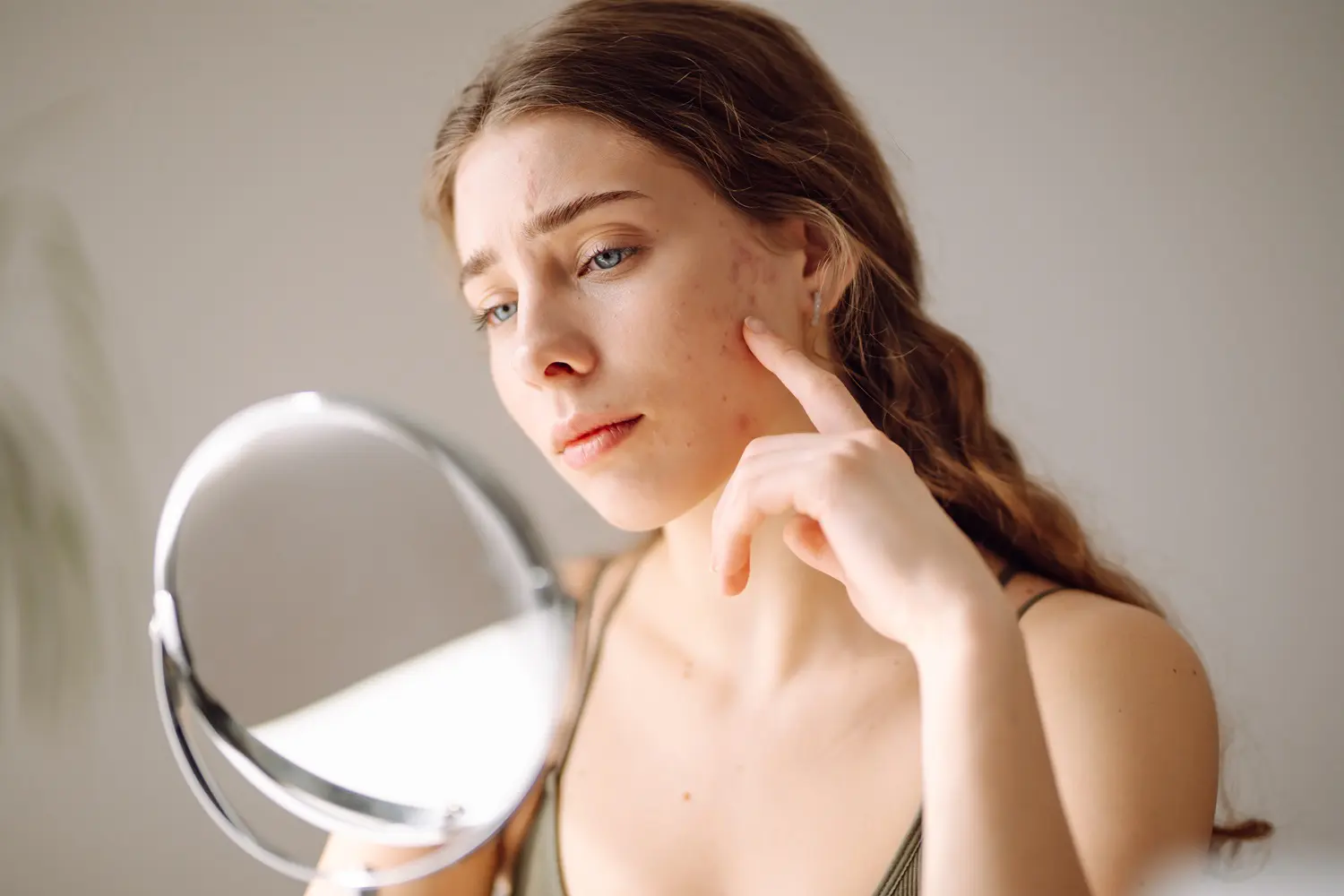
How does Roaccutane treatment work?
Depending on the severity of the acne and the response to treatment, courses typically span four to six months. To reduce the occurrence of side effects, treatment is usually initiated at a low dose and gradually increased to the target dose.
Initial doses typically begin at around 0.5 mg/kg per day, with the dose adjusted according to clinical response and tolerance. The effective long-term cumulative dose is generally 120 to 150 mg/kg over the course of therapy.
Patients receiving treatment must be monitored for side effects. Regular blood tests may be required to assess liver function and lipid levels.
Most patients see a significant improvement within two to three months and achieve complete or near-total clearance by the end of the treatment course.
Many people find that the effects are essentially permanent after completing a course of Roaccutane. However, some need a second course before achieving full remission. Roaccutane can be extremely effective, but the occasional breakout may still occur from time to time.
How long will a course of Roaccutane be?
Treatment usually lasts four to six months, depending on the severity of the acne and how the body responds. The duration is based partly on the overall amount required to maintain lasting control, which will be roughly 120 to 150 mg/kg.
We asked William Green, founder and managing director of Botonics Plastic Surgery, and expert in cosmetic dermatology, for his insight on the procedure:
“At Botonics, we follow an evidence-based approach to isotretinoin therapy, ensuring each patient’s treatment is tailored to their individual needs. The ideal cumulative dose typically ranges between 120 mg/kg and 150 mg/kg of body weight, depending on the severity of the acne and the patient’s response to treatment. For most patients, we aim for a primary course of 120 mg/kg, which is effective in achieving clear skin for the majority. However, if the desired outcome has not been achieved by the end of this primary course, we have the flexibility to extend the treatment to a higher cumulative dose within the recommended range, ensuring optimal and lasting results.”
Some people with less severe acne may see results over a shorter period, while those with more extensive acne may need treatment for longer. Most patients see a dramatic improvement or clearance after one course, although further courses are sometimes needed for lifelong results.
How effective is Roaccutane for acne?
Again, we asked William Green for his opinion, this time on how effective he believes Roaccutane to be from his experience:
“We frequently prescribe oral isotretinoin because it remains the gold standard for treating acne, offering not just temporary control but the potential to completely stop acne at its source. At Botonics, we’ve witnessed countless transformations – both in the clarity of our patients’ skin and in their confidence. Many of our patients, after years of battling persistent breakouts, express profound gratitude for finally experiencing clear, healthy skin and a renewed sense of self-esteem.”
Roaccutane is highly effective for severe, chronic acne, particularly forms that have not responded to other medication. One treatment course results in significant improvement, if not full clearance, for about 80% of patients. Results are permanent for most people, with lower relapse rates than many other treatments.
Its effectiveness depends on individual factors such as the severity of the acne and the body’s response to the medication. It is not always a permanent solution, but it remains one of the most effective treatments for severe acne and reduces the frequency and severity of breakouts for most patients.
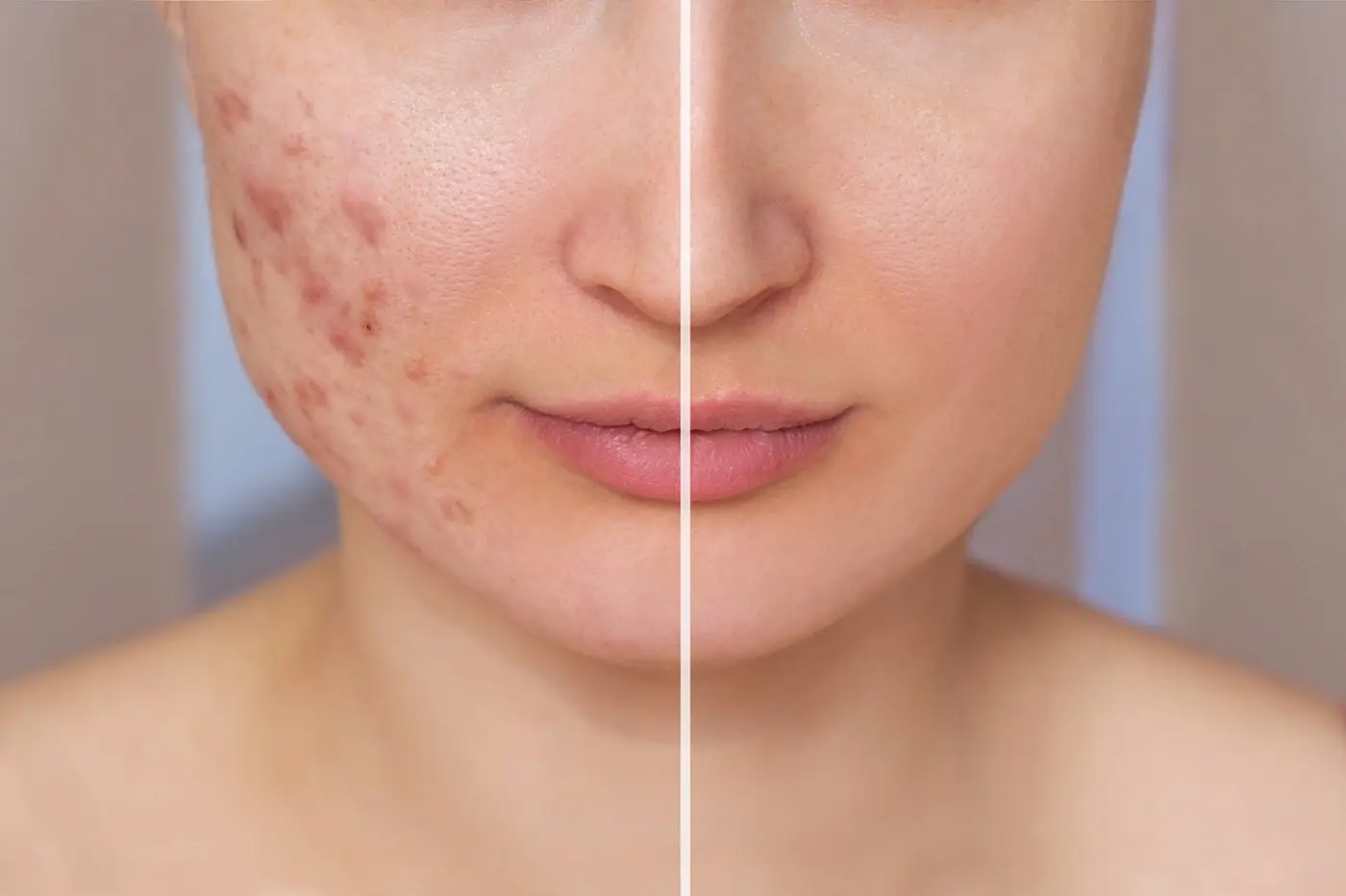
Does Roaccutane Cure Acne for Good?
For a good number of patients, Roaccutane offers a cure for acne that lasts their whole lifetime, although this is not the case for everyone. More than 70 to 80% of patients experience excellent or complete clearance after the treatment course, with many going on to enjoy years of clear skin. Other people may notice their acne returning months or even years later.
In those cases, a second course of Roaccutane or alternative treatment may be required. Although it is among the most powerful acne treatments available, no two cases are alike, and occasional spots or breakouts may still occur.
Who should consider Roaccutane?
Roaccutane is commonly recommended for patients with severe or treatment-resistant acne. It is particularly suited to cystic or nodular acne, including large, painful lesions that develop deep below the surface of the skin.
It may be considered when acne has not responded to over-the-counter products, topical prescriptions or oral antibiotics. By controlling active acne, Roaccutane may also reduce the risk of further permanent scarring and skin damage.
The typical Roaccutane patient tends to have noticeable acne on the face, back or chest that falls into the moderate or severe categories. People who have experienced persistent acne for years and found topical treatments or oral antibiotics unsuccessful may also be suitable candidates.
That being said, not everyone can take Roaccutane. It carries a serious risk of birth defects, so it must not be used during pregnancy. People with liver problems or high cholesterol also require careful assessment.
Those with a history of depression, anxiety or other mental health conditions should discuss this with a medical professional before starting Roaccutane. A full assessment is required to determine whether it is appropriate based on the severity of the acne and the patient’s overall health.
Who Should Not Take Roaccutane?
Roaccutane is not suitable for everyone, and certain medical conditions or circumstances mean it should be avoided entirely. If any of the following apply to you, discuss them with your doctor before treatment is considered.
Pregnancy and Breastfeeding
Roaccutane is highly teratogenic, meaning it can cause serious birth defects if taken during pregnancy. It must not be used by anyone who is pregnant or breastfeeding.
Women of childbearing age are required to use two forms of contraception throughout treatment and for at least one month after the final dose. Pregnancy tests are carried out before, during and after the course to ensure safety.
Liver or Kidney Disease
Because Roaccutane is processed by the liver and can raise liver enzyme levels, it is not suitable for patients with liver disease.
Kidney disease is not automatically an absolute contraindication, but patients with impaired kidney function require specialist assessment. People with severe renal impairment may need to begin with a lower dose and have it adjusted according to their response and tolerance.
Anyone with an established liver or kidney condition should make their prescriber aware before treatment is considered.
High Blood Fats (Hyperlipidaemia)
Roaccutane can increase cholesterol and triglyceride levels. Patients who already have raised blood lipids or hyperlipidaemia require careful assessment before treatment can proceed.
Tetracycline Antibiotics
Taking Roaccutane alongside tetracycline-class antibiotics, such as doxycycline or lymecycline, is contraindicated. The combination can raise the pressure inside the skull, causing a serious condition known as intracranial hypertension.
Anyone currently taking this type of antibiotic will need to stop it before starting Roaccutane, under the direction of their prescriber.
History of Severe Depression or Psychosis
Roaccutane has been associated with mood changes in some patients. For anyone with a history of severe depression, suicidal thoughts or psychosis, a thorough mental health assessment is essential. The decision about whether to proceed should be made jointly with the prescribing clinician.
A qualified prescriber will review your full health history during the consultation to determine whether Roaccutane is appropriate for you.
Alternatives to Roaccutane
Roaccutane is not the right choice for everyone. Some people may not meet the medical criteria, while others may prefer to try less intensive options first.
The alternatives below are commonly used by dermatologists and GPs for acne ranging from mild to moderately severe.
Oral Antibiotics
Doxycycline and lymecycline are among the oral antibiotics most frequently prescribed for acne in the UK. They work by reducing acne-associated bacteria and calming inflammation.
They are often used alongside a topical treatment for better results. Courses are usually limited to three to six months, partly to reduce the risk of antibiotic resistance.
Combined Oral Contraceptive Pill
For women whose acne has a hormonal component, the combined oral contraceptive pill can be an effective option.
Certain formulations help regulate androgen activity, which can reduce sebum production. This option is often considered when breakouts appear to be linked to the menstrual cycle or are concentrated around the jaw and chin.
Topical Retinoids
Tretinoin and adapalene are vitamin A derivatives applied directly to the skin. They promote cell turnover, help prevent blocked pores and reduce existing blemishes.
They may be used for milder acne or as a maintenance treatment following a more intensive course.
Azelaic Acid
Azelaic acid is a naturally occurring acid with antibacterial and anti-inflammatory properties.
Available in prescription-strength concentrations, it is generally well tolerated, including by people with sensitive skin. It is also a recognised option for people who cannot use topical retinoids or who are pregnant.
If you have tried these alternatives without success, or if your acne is severe enough to justify a stronger approach from the outset, you can explore Roaccutane treatment at botonics to find out whether isotretinoin may be appropriate for you.
Before starting Roaccutane: What to expect
All patients should receive a thorough medical assessment before beginning a course of Roaccutane to establish whether the treatment is appropriate.
This usually involves a review of the patient’s medical history, an assessment of the acne and blood tests to check liver function, cholesterol and triglyceride levels.
Because Roaccutane has been associated with possible psychological side effects, the assessment also covers depression and any history of mental health difficulties. As the medication can seriously harm an unborn baby, women of childbearing age need a pregnancy test before commencing treatment.
Patients may also need to make changes to their skincare routines. Roaccutane dries the skin and can make it more sensitive, so regular moisturising is essential. Increased sensitivity to sunlight also makes daily sunscreen particularly important.
Patients may need to avoid waxing and strong exfoliating products because Roaccutane can make the skin more fragile and prone to irritation.
Since Roaccutane can cause serious side effects, particularly those affecting the liver and blood lipids, patients are followed up regularly during treatment. Women must also use two forms of contraception during treatment and for one month afterwards to avoid pregnancy.
Potential side effects, including dry skin, chapped lips, joint pain and, in rare cases, mood changes, should be discussed before treatment begins. Understanding what to expect helps patients take part in the process and raise any concerns promptly.
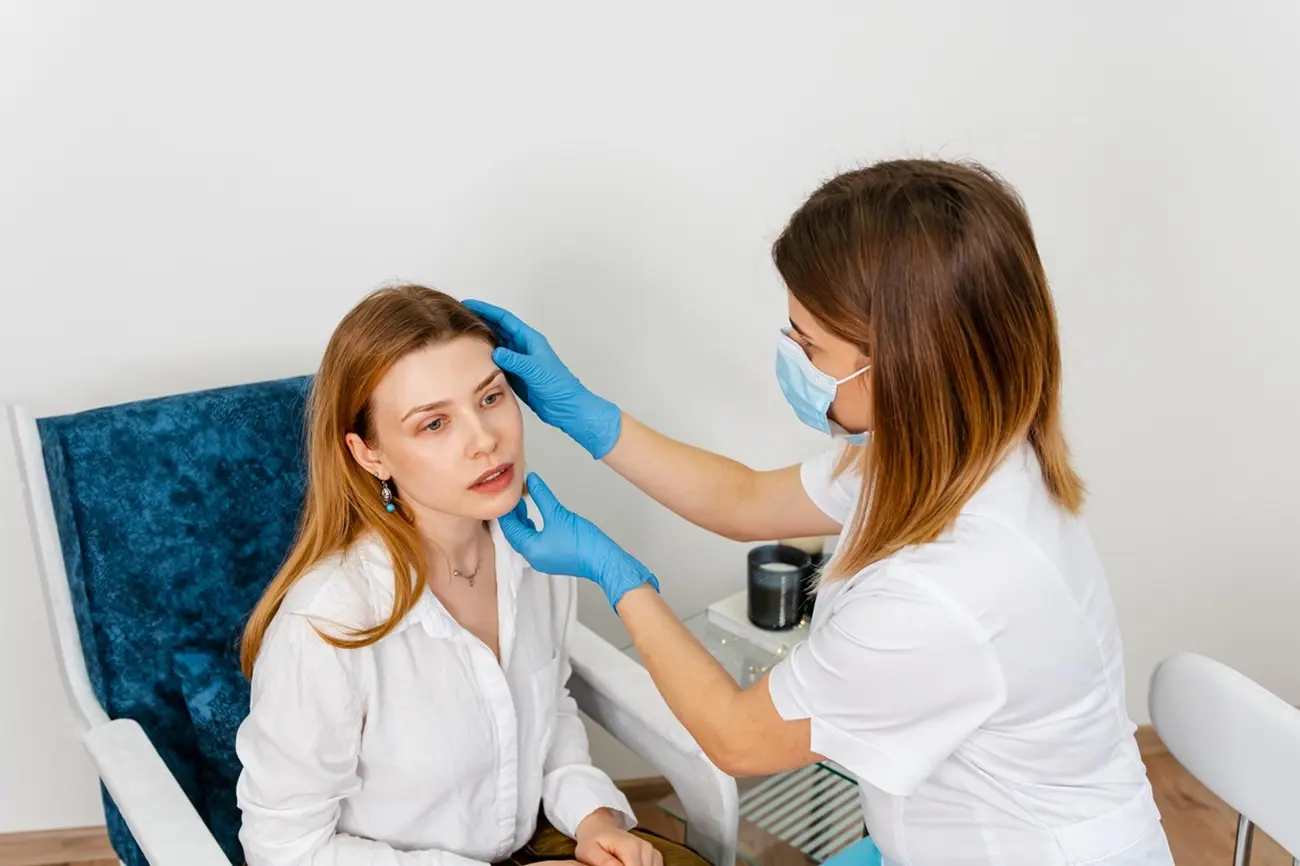
The potential side effects and risks of Roaccutane
Roaccutane can be highly effective for cystic acne, but it also carries side effects and risks. Understanding them allows patients to make informed decisions before treatment and recognise concerns if they develop.
Common side effects
- Dry skin: Roaccutane reduces sebum production, which can cause dryness and flaking, most commonly on the face, lips and hands.
- Dry, chapped lips: This is one of the most consistently reported side effects. Regular application of lip balm throughout the day is strongly recommended.
- Dry eyes: Reduced oil production can cause dry, irritated eyes or blurred vision, particularly for contact lens wearers.
- Frequent nosebleeds: Dryness in the nasal passages may lead to nosebleeds.
- Joint and muscle pain: Some patients experience muscle or joint soreness during treatment. This is a documented side effect and should be reported to your prescriber if it is persistent or severe.
- Sun sensitivity: The medication increases the skin’s sensitivity to sunlight, raising the risk of sunburn. High-factor SPF protection is essential throughout the course.
Uncommon side effects
- Liver function changes: Roaccutane can elevate liver enzymes, which is why regular blood tests to monitor liver function are a standard part of treatment.
- High cholesterol and triglycerides: The medication may raise cholesterol and triglyceride levels. These are monitored through routine blood tests.
- Hair thinning: Some patients experience mild hair thinning during treatment, which typically resolves once the course is complete.
- Gastrointestinal distress: Some people report stomach pain, nausea or diarrhoea.
- Birth defects: Isotretinoin is highly teratogenic. Strict pregnancy prevention protocols, including two forms of contraception, are a mandatory part of treatment for women of childbearing age.
Mental Health and Mood Changes
This is one of the most widely discussed concerns about Roaccutane, and it deserves a clear and honest explanation rather than a passing mention.
Possible psychiatric effects are taken seriously by UK regulators and should be discussed before treatment begins. Patients should also be monitored for changes in their mental health during follow-up appointments.
What the Evidence Says
The Medicines and Healthcare products Regulatory Agency has reviewed the possible association between isotretinoin and psychiatric side effects on several occasions.
Its position is that possible effects such as low mood, depression, anxiety, agitation, aggression, self-harm and suicidal thoughts should be discussed with patients and monitored during treatment.
At the same time, the picture is complicated by the fact that severe acne itself is strongly associated with depression, low self-esteem and anxiety. This can make it difficult to separate the effect of the condition from the effect of the medication.
Published research has reached different conclusions. Some studies have found no increase in depression during isotretinoin treatment compared with other acne therapies, while individual cases of significant mood deterioration have also been reported.
The available evidence does not provide a simple answer, which is why assessment before treatment and monitoring throughout the course remain important.
In January 2026, the MHRA revised parts of the UK prescribing framework. A second prescriber’s sign-off is no longer required before isotretinoin can be prescribed to a patient under 18. However, the wider requirements for counselling, risk acknowledgement, appropriate assessment and continued monitoring remain in place.
How to Monitor Yourself During Treatment
It is worth paying attention to your mental state from the beginning of treatment rather than waiting until something feels clearly wrong.
Consider whether:
- Your sleep has changed significantly.
- You feel more withdrawn from friends, family or activities you normally enjoy.
- You are experiencing a persistent low mood that does not lift after several days.
- You feel unusually irritable or anxious in a way that is out of character.
Keeping a brief daily note during the first few months can make it easier to notice a gradual change that may not be obvious from one day to the next.
It can also help to tell a family member, partner or close friend that you are starting treatment. Someone who knows you well may notice changes that are more difficult to recognise yourself.
Warning Signs That Require Prompt Action
Contact your prescribing doctor or clinic without delay if you or someone close to you notices:
- Persistent low mood, tearfulness or feelings of hopelessness lasting more than a few days.
- Withdrawal from everyday life or loss of interest in things that normally matter to you.
- Significant changes in sleep or appetite.
- Feelings of worthlessness or excessive guilt.
- Thoughts of self-harm or suicide.
Do not wait for your next scheduled appointment if any of these symptoms arise. Contact your doctor, call NHS 111 or seek urgent medical help.
When to Stop Treatment and Seek Help
If you experience thoughts of self-harm or suicide, severe depression, psychotic symptoms or another serious change in your mental state, stop taking Roaccutane and seek urgent medical advice on the same day.
For minor or short-lived mood fluctuations, speak to your prescribing clinician promptly. They can assess what is happening and advise whether treatment should continue, the dose should be adjusted or the course should be paused.
Mental Health Support
If you need to speak to someone immediately, the following services are available:
- Samaritans: Call 116 123, free, 24 hours a day, 365 days a year, or email [email protected]
- Shout crisis text line: Text SHOUT to 85258
- NHS urgent mental health support: Call 111 and select the mental health option
Many patients complete a full course of Roaccutane without experiencing mood changes. The purpose of this information is to make sure you know what to look for and how to act promptly if something changes.
The process of getting Roaccutane
- The first step to obtain Roaccutane is an in-depth consultation with an experienced dermatologist or healthcare professional. During the consultation, your doctor will assess the severity of your acne, review your medical history and discuss the treatments you have already tried. This is essential in determining whether Roaccutane is appropriate for you.
- If Roaccutane is considered suitable, patients must undertake a number of tests. These usually include blood tests to monitor liver health, cholesterol and triglyceride levels, along with a pregnancy test for women of childbearing age. If the tests identify an issue that needs attention, the doctor may adjust the proposed treatment or recommend an alternative.
- If you are a suitable candidate, the doctor will prescribe Roaccutane, usually beginning at a lower dose to reduce possible side effects. Follow-up appointments are held regularly to assess progress and identify any adverse effects. These appointments may also involve further blood tests to monitor liver function and lipid levels.
- Patients are advised about skincare and lifestyle adjustments, including using moisturiser and sunscreen and avoiding waxing or aggressive skincare products. Women are also required to follow strict pregnancy prevention precautions during treatment and for the required period afterwards.
Verdict: Is Roaccutane worth it?
For patients who have tried other acne treatments without success, Roaccutane may be worth considering. It is one of the most effective acne medications available and has a high success rate. Around 50% of people who complete one course of treatment will never need to use acne medication again.
Here is William Green’s verdict on Roaccutane:
“For those who have struggled with acne resistant to other treatments, isotretinoin can be truly life-changing. While no medication is without its risks, the benefits often far outweigh the drawbacks. Many of our patients find that after completing a single course, their skin is permanently transformed, giving them freedom from acne and a renewed sense of confidence that lasts a lifetime.”
Whether Roaccutane is appropriate depends on the severity of the acne, previous treatments, general health and the patient’s willingness to follow the monitoring and pregnancy prevention requirements.
A consultation provides an opportunity to discuss the likely benefits, possible risks and whether an alternative approach may be more suitable.
Contact botonics for More Information About Roaccutane Treatment
For more information about Roaccutane and whether it may be appropriate for your acne, contact botonics to arrange a consultation.
Our team can guide you through the assessment, required testing, possible side effects and treatment process. Care is personalised according to your acne, medical history and response to treatment.
Contact us to book a consultation and discuss whether Roaccutane could be a suitable option for you. You can also learn more about botonics and the acne treatments available through our clinic.
Frequently Asked Questions
When should I take Roaccutane?
Roaccutane is typically taken once or twice a day with food to improve absorption and minimise stomach irritation. The course lasts four to six months, depending on the severity of your acne, and the dose is usually determined by your weight.
Consistency is important, so take Roaccutane at the same time each day.
If you forget a dose, take it as soon as you remember unless it is nearly time for the next dose. Never take a double dose to make up for one you have missed.
During treatment, attend your regular follow-up appointments so your progress can be monitored and your dosage adjusted when necessary.
I Am Not Experiencing Any Side Effects. Is This Normal?
Yes. Not everyone taking Roaccutane experiences noticeable side effects, and some patients complete treatment without significant problems.
Even when you feel well, continue attending the check-ups and blood tests scheduled by your doctor. Some effects, such as changes in liver function or raised cholesterol, may not cause obvious symptoms and are identified through blood tests.
Stay in contact with your healthcare provider and raise any concerns that develop during treatment.
Can I Drink Alcohol With Roaccutane?
As a general rule, avoid or reduce alcohol consumption while using Roaccutane.
Both Roaccutane and alcohol are processed by the liver, and drinking may increase the risk of liver problems and other effects such as fatigue, dizziness or gastrointestinal discomfort. Alcohol may also affect how smoothly the body handles the medication.
Speak to your healthcare provider about alcohol use before and during treatment. You will probably be advised not to drink during the course and for at least one month afterwards.
Can I Take Roaccutane if I Have Depression?
People with a history of depression may be able to take Roaccutane, but this requires careful consideration and, in some cases, closer monitoring.
Roaccutane is one of the most effective treatments available for severe acne, but it has been associated with the development or worsening of mental health symptoms, including depression and mood changes.
Tell your doctor before starting Roaccutane if you have a history of depression or another mental health condition. Your healthcare provider may assess your current mental health, arrange additional support or adjust the treatment plan.
I Would Like Treatment for Acne Scarring. How Long Should I Wait?
If you have recently finished a course of Roaccutane for active acne, it is generally recommended to wait six months before treating acne scarring.
Roaccutane can make the skin more reactive and easily irritated. Waiting at least six months before undergoing scar treatments such as lasers or chemical peels gives the skin time to recover.
Your practitioner should assess your skin before recommending a treatment or confirming when it is appropriate to proceed.
I Am Noticing More Facial Redness While Taking Roaccutane. Is This Normal?
Yes. Redness is a common side effect of Roaccutane.
The medication reduces oil production, which can make the skin drier, more sensitive and easier to irritate. This may cause temporary erythema or flushing, particularly around the nose, cheeks and forehead.
If the redness is severe or does not improve, contact your dermatologist. Use a gentle moisturiser, avoid irritating skincare products and apply sunscreen regularly. In many cases, the redness improves as the skin adjusts to treatment.
Can I Go in the Sun When Taking Roaccutane?
Roaccutane can make your skin highly sensitive to sunlight, meaning it may burn more easily than usual.
Limit unnecessary sun exposure and use a broad-spectrum sunscreen with an SPF of at least 30. Protective clothing, including hats and long sleeves, can provide additional protection when you are outdoors.
Tanning beds should be avoided during Roaccutane treatment. When you need to spend time in the sun, seek shade, limit prolonged exposure and reapply sunscreen regularly.
How Should I Remove Make-Up While Taking Isotretinoin?
During Roaccutane treatment, the skin is usually drier and more sensitive, so make-up should be removed gently.
Use a mild, alcohol-free cleanser or micellar water to reduce the risk of irritation. Avoid scrubbing or rubbing the skin.
Gently remove make-up using clean fingers or a soft cotton pad, then apply a hydrating moisturiser after cleansing. Non-comedogenic make-up products may also help reduce the risk of blocked pores.