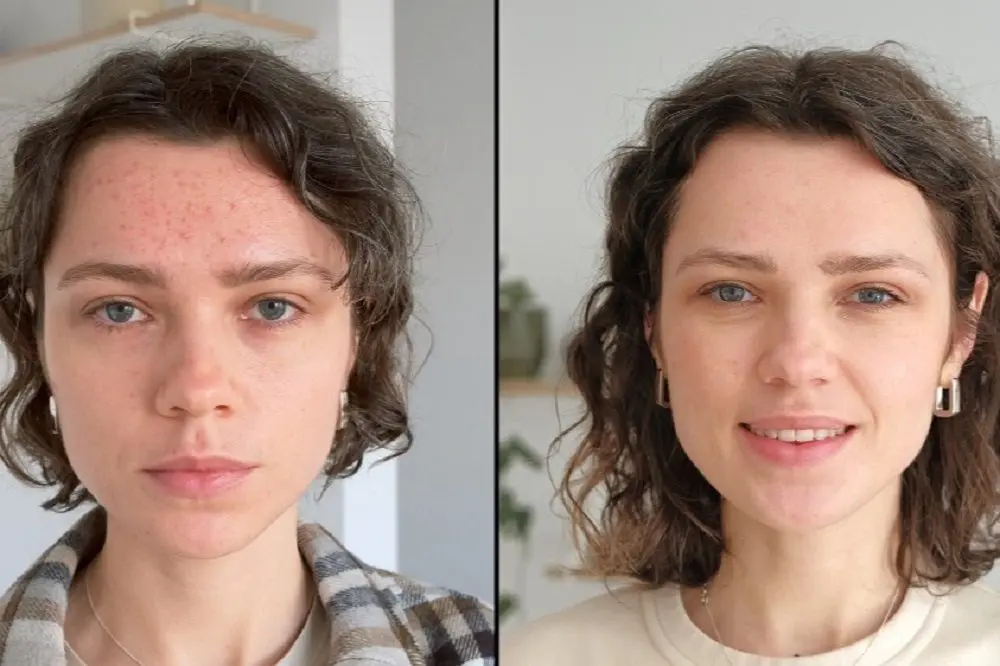
But how long does Roaccutane take to work? This article will take a look at the factors you need to consider when taking Roaccutane and how long you can expect to see results.
What is Roaccutane?
Roaccutane is a form of medication that contains the substance isotretinoin. This substance reduces the oil the skin produces. The lack of moisture can dry out your skin which is what makes most people particularly susceptible to sun sensitivity when taking the medication. It does, however, prove to be very effective when helping with acne and skin-related issues.
What to Expect Week by Week on Roaccutane
Every person’s skin responds differently, but there is a broadly predictable pattern to how Roaccutane works over the course of a treatment. The timeline below reflects a standard-dose course; low-dose regimens follow a slower pattern. Knowing what to expect at each stage can help you stay patient and spot whether your progress is on track.
Weeks 1 to 2
Your skin is beginning to adjust to the reduction in sebum production. Most people notice very little visible change at this point, though increased dryness around the lips, nose and face can appear sooner than expected, often before any improvement in breakouts is visible.
Weeks 2 to 6
This is the stage that catches many people off guard. As sebum levels drop, some people experience a temporary flare-up or purge, where existing congestion rises to the surface before clearing. It can feel discouraging, but it is a recognised part of the process. You should also begin to notice that your skin feels less oily overall.
Weeks 6 to 8
New breakouts typically begin to slow down noticeably during this window. The purge phase, if you experienced one, is usually settling. Skin texture may start to improve and existing spots tend to be less inflamed.
Weeks 8 to 12
For most patients, this is where the most significant clearing occurs. Many people see a marked reduction in active acne during this period, with skin continuing to improve as the course progresses.
Months 4 to 6
By the end of a full course, most patients have reached the clearest their skin has been throughout treatment. Your prescribing clinician will assess whether the course is complete or whether any further treatment is needed. Results can be long-lasting for many patients, though outcomes vary from person to person.
Tracking your progress against this timeline can be reassuring, but individual responses do differ, so try not to measure yourself too closely against any single milestone.
The Purge Phase: Why Your Skin May Look Worse Before It Gets Better
A temporary flare-up in the early weeks is common. Roaccutane accelerates skin cell turnover, so clogged pores come to the surface faster than they otherwise would. The purge usually peaks around weeks 3 to 5 and starts to ease by week 8. Skin that looks worse during this window is generally a sign the medication is doing its job. If the flare is severe or causing you significant distress, contact your prescribing doctor for advice.
Keep your skincare routine simple while your skin adjusts. Roaccutane significantly reduces sebum production, and the dryness and sensitivity that follow can be pronounced. Moisturise regularly and use lip balm often; daily sun protection matters too. Gentle products are usually the better choice while the skin barrier is more sensitive.
How Long Does Roaccutane Take to Be Effective?
How long Roaccutane takes to work depends largely on the severity of your skin condition and the dosage you are prescribed.
Dosage plays a significant role in the timeline. Standard dosing is typically 0.5 to 1mg per kilogram of body weight per day, and this is the range most likely to produce noticeable results within that 8 to 12 week window. Low-dose regimens, such as 20mg daily, work more gradually and often take 6 to 9 months to complete a full course, though they tend to come with a gentler side-effect profile. Your prescribing clinician will decide the appropriate dosage based on the severity of your acne and your overall health, so the timeline varies considerably from person to person.
A slower response does not automatically mean Roaccutane is not working. Your starting dose affects the pace, and so do any dose adjustments made along the way. How severe the acne was at the beginning and how well you tolerate the medication both feed into it as well. Your prescribing clinician will review your progress throughout the course and adjust treatment where it is appropriate, so no single fixed timeline applies to everyone.
Does Roaccutane permanently clear acne?
For most patients, the results hold. Research suggests that around 70 to 80% of patients who complete a full course experience sustained, long-term improvement, and many achieve complete remission well beyond the end of treatment.
A smaller proportion find that acne returns after a first course. This happens most commonly where the initial dose was lower or the course was not completed in full. A second course is often considered in these cases. A specialist can help you weigh that against your skin history and how you responded the first time around.
What Does Post-Treatment Maintenance Look Like?
Because Roaccutane significantly reduces oil production during treatment, the skin often stays more balanced afterwards. Keeping that benefit comes down to a consistent, gentle routine. Daily moisturising with a non-comedogenic product and a broad-spectrum SPF are the two habits that matter most, since sun sensitivity can persist for some time after the course ends. Harsh exfoliants and high-strength actives are best left alone while the skin is still settling.
If you want a realistic picture of what your own prognosis might look like, speaking to a specialist is the most useful next step. At botonics, our clinical team can assess your skin and tell you what to expect after a course of Roaccutane.
Am I a Good Candidate for Roaccutane?
If you suffer from acne and want to get rid of the problem quickly, then Roacctane may just be the perfect solution for you. However, there are certain circumstances under which you should not take Roaccutane. These include if you are pregnant, prone to depressive episodes and already suffer from sensitivity to the sun.
Roaccutane is particularly dangerous for unborn babies and can cause severe birth defects. People in their childbearing years should take a pregnancy test before starting this medication and use reliable birth control methods during and for at least 4 weeks after stopping the medication. Nursing mothers should not breastfeed while taking Roaccutane or for at least 8 days after their last dose.
Are There Any Side Effects of Roaccutane?
The major side effects associated with Roaccutane include dry skin, as discussed, but also an increase in hormonal imbalance, sleep issues, problems eating and other behavioural changes. These are very normal, however, they should be watched to ensure they do not worsen. To break it down further, the side effects of Roaccutane use include:
- Dry skin, eyes, and mouth: These side effects are common and usually mild, but they can be bothersome. To alleviate dry mouth, sugarless hard candy or ice chips, chewing sugarless gum, drinking water, or using a saliva substitute can be helpful.
- Mental/mood changes: Roaccutane may cause mental/mood changes, such as depression, anxiety, or thoughts of suicide. If any of these symptoms persist or worsen, it is important to consult a doctor or pharmacist promptly.
- Tingling skin, back/joint/muscle pain, painful swallowing, peeling skin on palms/soles, and severe stomach pain: These symptoms may indicate more serious side effects and medical attention should be sought if any of these symptoms occur.
- Hives, swelling of the mouth or face, breathing problems, or anaphylaxis: These symptoms are rare but can be life-threatening. If any of these symptoms occur, seek immediate medical attention.
- Some side effects may persist: Some side effects from Roaccutane, such as dry skin or vision problems, may persist even after treatment stops. It’s important to discuss any ongoing symptoms with a healthcare professional to ensure proper management.
- Potential permanent problems: In rare cases, Roaccutane may cause permanent problems, such as scarring or vision loss. It’s important to be aware of these potential risks and to seek medical attention if any concerning symptoms arise.
Roaccutane can be an effective treatment for severe acne, but it is crucial to be aware of its potential side effects and to consult a healthcare professional if any concerning symptoms arise.
Regular monitoring and communication with healthcare professionals can help ensure safe and effective use of the medication. Regular blood tests may be necessary to monitor red and white blood cell counts, liver function, blood sugar, and cholesterol levels. These tests can help detect any potential problems early and ensure that the medication is being used safely and effectively.
It’s essential that you get checked by a medical professional before being given a course of Roaccuane and assess your susceptibility to these effects.
Final thoughts
Results vary from person to person, so it’s important to follow the recommended dosage and duration of treatment as prescribed by a healthcare professional to ensure the best possible results.
Additionally, it’s important to be aware of the potential side effects of Roaccutane and to report any concerning symptoms to a healthcare professional promptly. At Botonics, we have some of the most skilled and experienced specialists in the industry when it comes to skincare and other cosmetic enhancements.
Simply get in touch with us today, and we’ll be able to advise if you are a good candidate for Roaccutane.