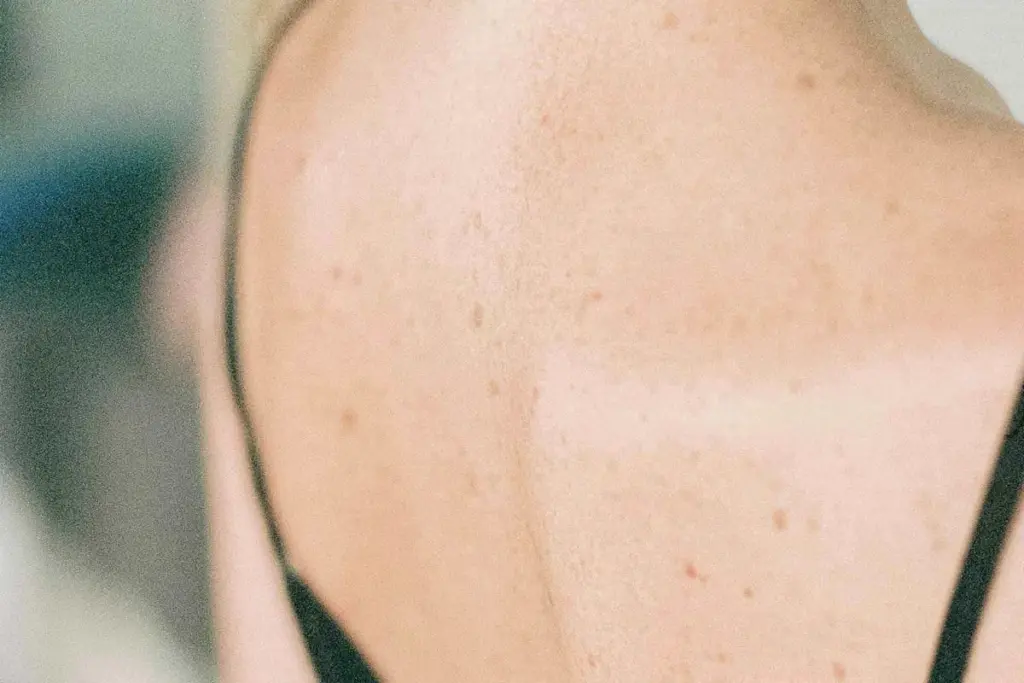
Back acne is stubborn, and there is a reason for that. The skin across your back has a relatively high density of sebaceous glands, and most acne treatments are designed with facial skin in mind. That mismatch shapes which ingredients are worth trying, how long to give them, and when self-treating stops being the right move.
Why has your back suddenly broken out?
A new exercise routine can do it. So can a few stressful weeks, or a change in contraception; it does not take much to shift the balance.
Hormonal change is a common reason for sudden flares. Puberty and changing contraception both do it, and so do fluctuations during the menstrual cycle. Some evidence suggests that sebum production changes across the menstrual cycle in females. That may explain why back acne sometimes follows a monthly pattern.
Exercise contributes too, particularly when sweat is left sitting on the skin for long periods. Tight or synthetic clothing traps heat and moisture and creates friction at the same time. Blocked follicles are then more likely to become irritated.
Corticosteroids, lithium and certain SSRIs all list acne as a possible side effect. Medication is an easy trigger to overlook. If your skin changed after you started a new medicine, mention it to your prescriber.
The biggest cause of back acne
Press a tissue against your upper back after a warm day and the oil is usually obvious. Excess sebum is the primary driver of pore blockage. Mixed with dead skin cells, it forms plugs inside the follicles, and those plugs create the conditions acne needs to develop.
Slower shedding of dead skin cells adds to it. Cells that are not cleared efficiently collect inside follicles and block them. Cutibacterium acnes, a bacterium that normally lives on the skin, then multiplies in these blocked, lipid-rich follicles and triggers an inflammatory immune response. That is the point at which a simple comedone turns red, swollen and painful.
There is also some evidence linking high-GI foods and dairy with acne severity. Stress raises cortisol and may increase adrenal androgen activity, which can push oil production higher. Sweat left on the skin after exercise is the easiest of these to do anything about.
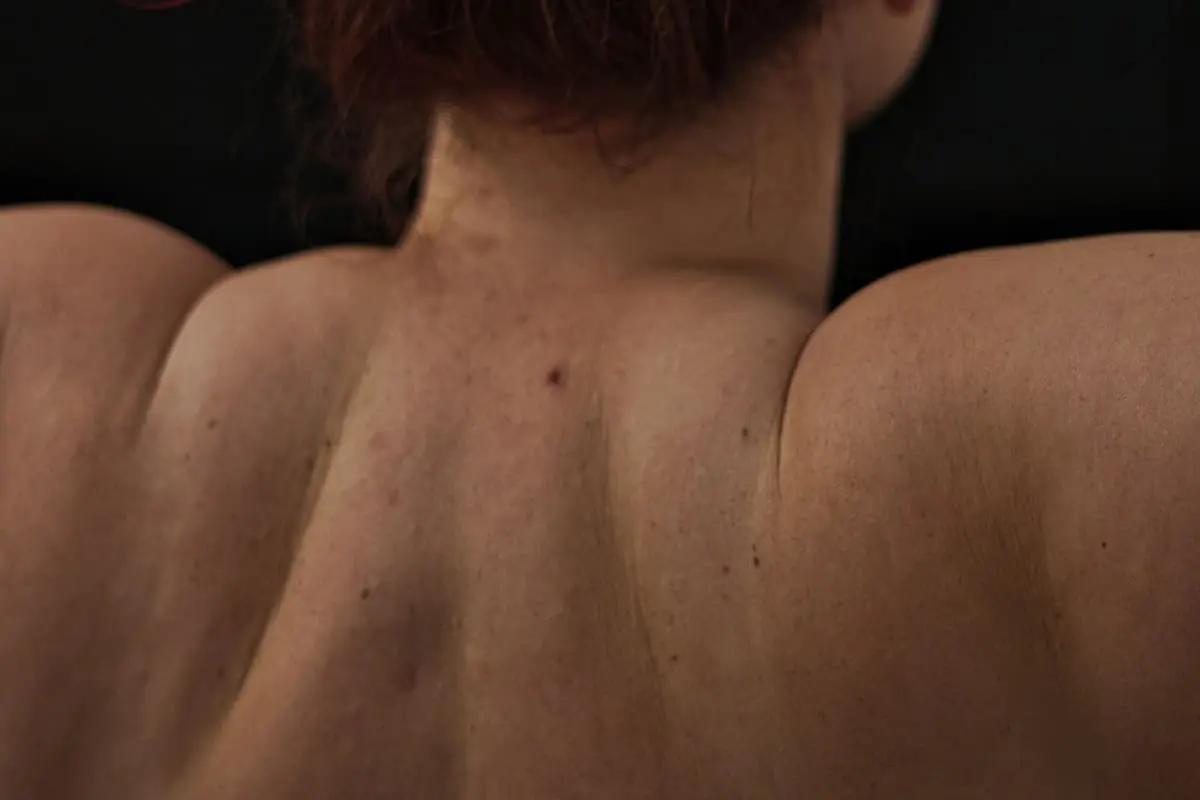
How to get rid of back acne: a practical step-by-step
- Cleanse daily with a salicylic acid or benzoyl peroxide body wash. Letting the wash remain on the skin for 30 to 60 seconds may improve efficacy, although the ideal contact time depends on the formulation.
- Apply a leave-on treatment after showering. Salicylic acid gel, azelaic acid lotion or a retinoid can be useful on areas you are able to reach comfortably.
- Do not squeeze or pick back spots. This can push inflammation deeper into the skin and significantly increase the risk of scarring.
- Change your bed linen regularly, around once or twice a week, to reduce the build-up of bacteria, sweat and oil.
- Shower as soon as you reasonably can after exercise. Rewearing unwashed gym clothing may also contribute to further breakouts.
- Choose loose, breathable fabrics such as cotton or moisture-wicking materials to reduce heat and friction against the skin.
Active ingredients for back acne: what each one does
Different ingredients target different parts of the acne cycle. Which one makes most sense depends on the type of acne you have.
Salicylic acid (0.5%–2%) is a beta hydroxy acid. Because it is oil-soluble, it can penetrate into the follicle and exfoliate within the pore. That makes it particularly useful for comedonal, non-inflamed back acne. Blackheads and whiteheads respond to it, and so does bumpy congestion.
Benzoyl peroxide (2.5%–10%) is an antibacterial oxidising agent. It reduces C. acnes populations quickly, which makes it the better choice for red, inflamed spots. NICE CKS guidance lists benzoyl peroxide as a recommended option for mild acne when treatment is being used without a prescription. Worth knowing before you start: it bleaches fabric, so take care with dark clothing, towels and bedding.
Azelaic acid (10%–20%) is the one to try if salicylic acid or benzoyl peroxide irritates your skin. It also helps fade post-inflammatory hyperpigmentation. If dark marks are as much of a concern as the active spots, that matters.
Niacinamide (4%–5%) has some evidence behind it for reducing inflammatory acne lesions. It is usually an adjunct treatment, used to support the skin barrier and reduce visible redness.
The best back acne treatments: OTC, prescription and clinic options explained
OTC (first line)
A benzoyl peroxide wash at 2.5%–5% or a salicylic acid body wash at 1%–2% is a practical place to start. Give it six to eight weeks of consistent use before you decide whether it is helping.
Prescription topical
Topical retinoids such as tretinoin or adapalene help normalise the shedding of cells inside the follicle, so fewer comedonal plugs form. Apply them to dry skin to limit irritation.
Prescription oral
In the UK, lymecycline and doxycycline are among the oral antibiotics commonly prescribed for moderate to severe inflammatory back acne. They are usually used alongside a topical treatment.
Roaccutane (Isotretinoin)
Roaccutane is an oral vitamin A derivative, generally reserved for acne that is scarring or has not responded to other treatments. It can reduce sebum production by up to 80%–90%, and studies report clearance rates of roughly 80%–90% after a full course.
Clinic-based treatments
Hydradermabrasion with extraction physically clears blocked pores. Where congestion is more significant, it may be combined with skin peels.
Hormonal therapy
Co-cyprindiol is a prescription treatment for females whose acne is driven by androgens. It carries a higher risk of venous thromboembolism than some other combined oral contraceptives, so treatment is usually limited in duration. Spironolactone is another option that GPs or dermatologists may consider for females with hormonal acne.
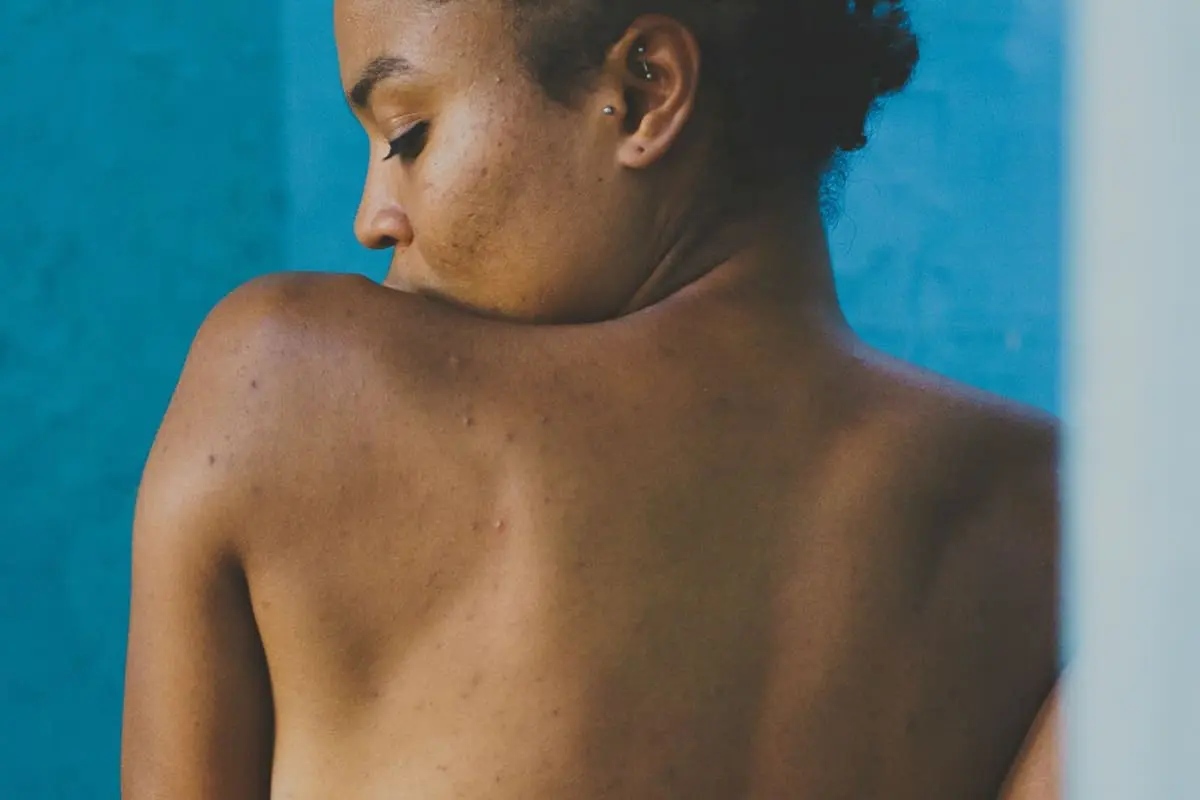
How to remove back acne quickly: realistic timelines and fast-track tips
For one large cyst, an intralesional corticosteroid injection is one of the fastest options available. A benzoyl peroxide wash may also show initial improvement within two weeks. Everything else takes a little longer.
Two to four weeks
With consistent daily use of benzoyl peroxide or salicylic acid, some people see early changes within this window. Existing breakouts may start to flatten and redness may reduce. New spots may also appear less often. Inconsistent treatment slows all of this down.
Six to eight weeks
If you are still breaking out at roughly the same rate after eight weeks, it may be time to discuss prescription treatment. NICE CKS guidance recommends giving topical acne treatments time to work before reassessing them, particularly where deeper or cystic lesions are present and the risk of scarring is higher.
Three to six months
Moderate acne treated with a prescription programme can take several months to come under full control. NICE CKS advises patients that topical treatments may need six to eight weeks before improvement becomes noticeable, with oral treatments often taking longer. Skin biology does not move much faster than that.
Fast-tracking a single spot
If you have one severely inflamed cystic lesion before an event, an appropriately qualified clinician may administer an intralesional corticosteroid injection. This can reduce swelling within around 24 to 48 hours.
Why early treatment matters
Inflammatory back acne, especially cystic and nodular lesions, carries a much greater risk of permanent acne scars than superficial comedones. The deeper the inflammation reaches into the dermis, the more likely it is to leave lasting scars, pitted or raised.
Dealing with dark marks
Post-inflammatory hyperpigmentation, the flat dark marks left after a spot heals, is not the same as true scarring. It can still be frustrating. Azelaic acid and niacinamide may both help these marks fade, although full resolution can take several months or even more than a year, particularly in darker skin tones. Consistency matters here too.
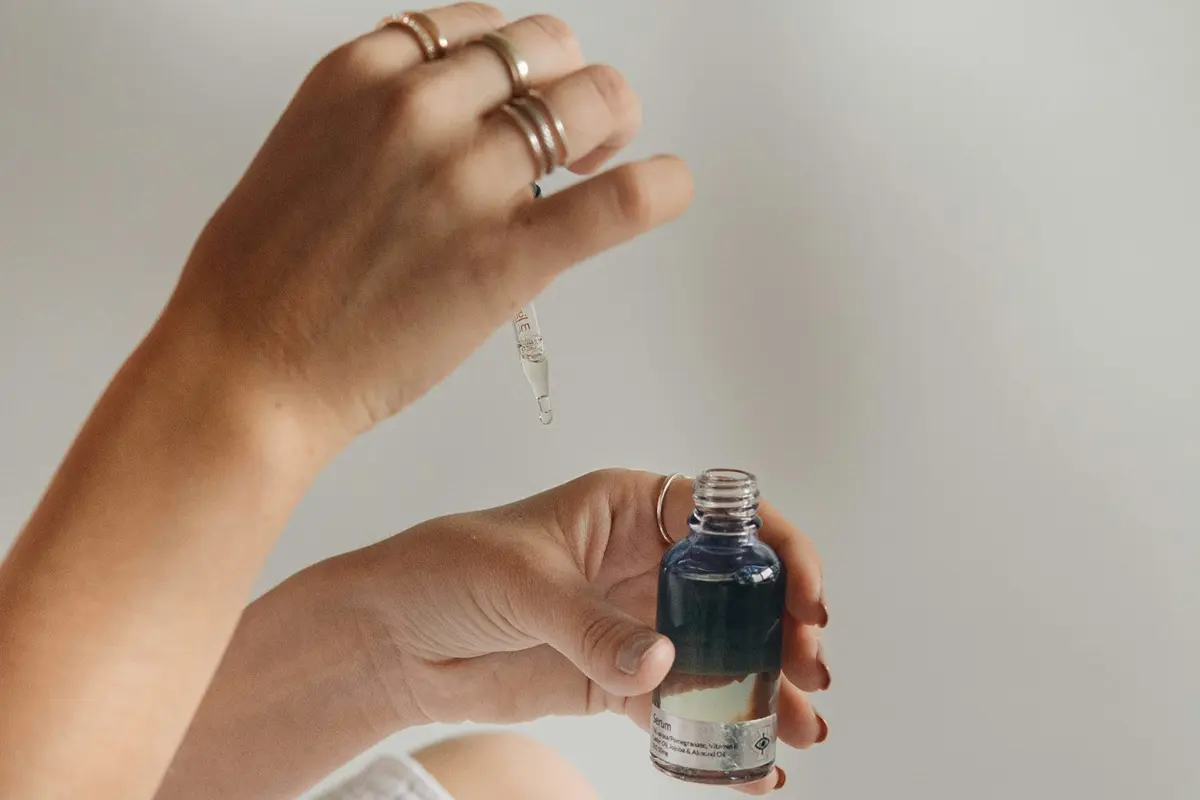
Back acne treatment products: what to look for and what to avoid
Body washes
A salicylic acid wash at 1%–2% or a 2.5% benzoyl peroxide wash is a sensible starting point. CeraVe SA Body Wash, PanOxyl 4% Creamy Wash and Neutrogena Body Clear are widely available examples. Rinse-off formulas reduce the daily bacterial load without requiring precise application across the whole back.
Back acne sprays
A 2% salicylic acid spray, such as Paula’s Choice BHA Body Spray, makes the middle and lower back easier to reach without awkward stretching or relying on someone else to apply it. Spray from around 15 cm away in a sweeping motion, then let it dry before getting dressed.
Exfoliating sticks
Combination sticks with glycolic acid and salicylic acid give you chemical exfoliation alongside gentle physical exfoliation. Glycolic acid concentrations in OTC products commonly sit around 5%–10%. Save these for stubborn areas such as the shoulder blades and upper back, where dead skin builds up. Two or three uses a week is usually enough; daily use is usually too much.
Leave-on treatments
Retinoid gels and azelaic acid lotions applied after showering carry on working between washes to keep follicles clear.
What to avoid
Coconut oil and shea butter are generally considered more likely to clog pores, and they may aggravate active breakouts in acne-prone skin. If you moisturise your back, which is worth doing when acne treatments are drying, look for products labelled non-comedogenic and oil-free. The same principle applies to sunscreen on the back. Lightweight, gel-based formulas are usually the safer option.
A quick checklist
- Daily wash: salicylic acid, such as CeraVe SA Body Wash, or benzoyl peroxide, such as PanOxyl 4%.
- Leave-on active: retinoid, azelaic acid or niacinamide at 4%–5%.
- Spray for hard-to-reach areas: 2% salicylic acid, such as Paula’s Choice BHA Body Spray.
- Moisturiser: oil-free and non-comedogenic.
- Avoid: coconut oil, shea butter and thick body creams.
Still struggling to clear your back acne?
If over-the-counter treatments have not helped after eight weeks, or your back acne is starting to leave scars, it is worth speaking to a specialist before you spend another few months experimenting. At botonics, we assess your skin, prescribe treatment where appropriate, and recommend clinic-based options suited to your type of acne. Book a consultation at the Harley Street clinic to get clear advice on your options.